

As a meter seal supplier, one of the most frequently asked questions I encounter is whether meter seals can withstand humidity. This is a crucial concern, especially in regions with high humidity levels or where meters are installed in outdoor or damp environments. In this blog post, I'll delve into the science behind meter seals and their ability to resist humidity, discuss different types of meter seals, and share insights on ensuring their long - term performance in humid conditions.
The Science of Humidity and Its Impact on Meter Seals
Humidity refers to the amount of water vapor present in the air. High humidity can cause a range of problems for meter seals. Water vapor can penetrate the materials of the seal, leading to corrosion, swelling, or degradation over time. For example, if a meter seal is made of a metal component, the moisture in the air can initiate the oxidation process, causing rust. Rust not only weakens the physical structure of the seal but can also compromise its tamper - proof features.
Plastic materials used in meter seals are also susceptible to humidity. Prolonged exposure to high humidity can make plastics more brittle or cause them to absorb water, altering their dimensions and potentially reducing their sealing effectiveness. Additionally, humidity can promote the growth of mold and mildew on the surface of the seal, which can further damage the material and interfere with the seal's functionality.
Types of Meter Seals and Their Humidity Resistance
Tamper Proof Meter Seals
Tamper Proof Meter Seals Tamper Proof Meter Seals are designed to provide evidence of any unauthorized access to the meter. These seals come in various materials, including plastic, metal, and a combination of both.
Plastic tamper - proof seals are lightweight and cost - effective. Many high - quality plastic seals are engineered with additives that enhance their resistance to moisture. For instance, some plastics are treated with hydrophobic coatings that prevent water from adhering to the surface. However, in extremely humid conditions, even these treated plastics may absorb some moisture over time.
Metal tamper - proof seals, such as those made of stainless steel or brass, generally offer better resistance to humidity compared to plastics. Stainless steel is highly corrosion - resistant due to the presence of chromium, which forms a thin oxide layer on the surface, protecting it from rust. Brass also has good corrosion resistance, although it may require additional protective coatings in very harsh environments.
Electric Meter Box Seal
Electric Meter Box Seals Electric Meter Box Seal are used to secure the electric meter boxes. These seals need to be durable and resistant to environmental factors, including humidity.
Some electric meter box seals are made of rubber or elastomers. Rubber has good flexibility and can form a tight seal around the meter box, preventing water ingress. However, rubber can degrade over time when exposed to high humidity, especially if it is not formulated with appropriate antioxidants and anti - ozone agents.
Composite materials are also commonly used for electric meter box seals. These materials combine the advantages of different substances, such as the strength of plastic and the moisture - resistance of a special coating. Composite seals can be designed to meet specific humidity requirements, making them suitable for a wide range of applications.
Gas Meter Tamper Seal
Gas Meter Tamper Seals Gas Meter Tamper Seal are crucial for ensuring the integrity of gas meters. Since gas is a potentially hazardous substance, these seals must be reliable and able to withstand various environmental conditions, including humidity.
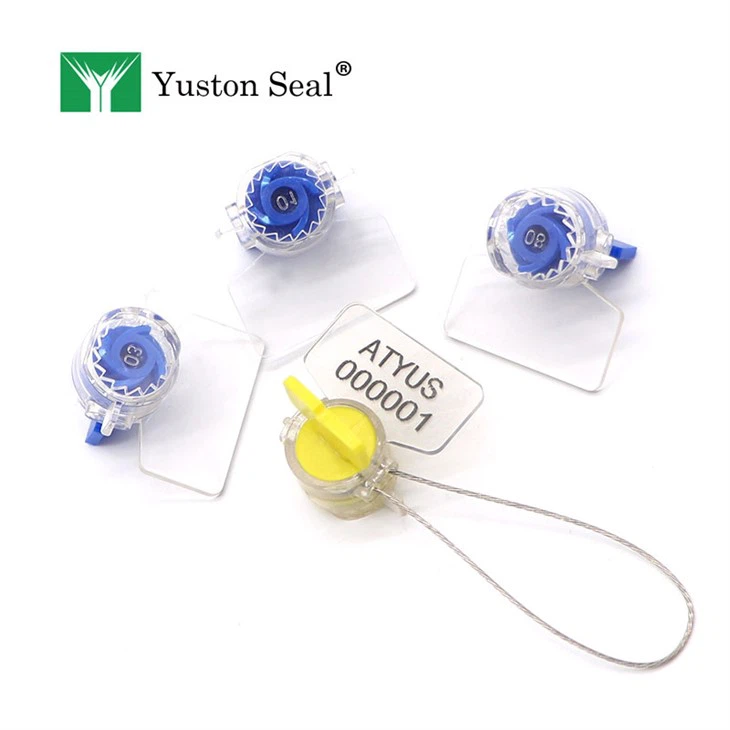

Many gas meter tamper seals are made of high - density polyethylene (HDPE). HDPE is a thermoplastic polymer that has excellent chemical resistance and low water absorption. It can maintain its mechanical properties even in high - humidity environments. Additionally, some gas meter tamper seals are equipped with special locking mechanisms that are designed to be impervious to moisture, ensuring that the seal remains intact and functional.
Ensuring Meter Seal Performance in Humid Conditions
Material Selection
When choosing meter seals for humid environments, it is essential to select the right materials. As mentioned earlier, metals like stainless steel and plastics with hydrophobic coatings are good choices. Conducting thorough research on the materials' properties and their performance in humid conditions can help in making an informed decision.
Protective Coatings
Applying protective coatings to meter seals can significantly enhance their humidity resistance. For metal seals, coatings such as epoxy or powder coatings can provide an additional layer of protection against corrosion. Plastic seals can be treated with anti - moisture sprays or coatings that reduce water absorption.
Installation and Maintenance
Proper installation is crucial for the performance of meter seals in humid conditions. Ensure that the seals are installed correctly, with no gaps or loose connections that could allow water to enter. Regular maintenance is also necessary. Inspect the seals periodically for signs of damage, such as rust, swelling, or mold growth. Replace any damaged seals promptly to maintain the integrity of the meter.
Conclusion and Call to Action
In conclusion, meter seals can withstand humidity to a certain extent, depending on the type of seal, the materials used, and the environmental conditions. By choosing the right materials, applying protective coatings, and ensuring proper installation and maintenance, meter seals can provide long - term performance even in humid environments.
If you are in the market for high - quality meter seals that can withstand humidity and other environmental challenges, I invite you to reach out to us. Our team of experts can help you select the most suitable meter seals for your specific needs. Whether you need tamper - proof seals, electric meter box seals, or gas meter tamper seals, we have a wide range of products to meet your requirements. Contact us today to start a discussion about your meter seal needs and let us find the best solutions for you.
References
- "Handbook of Polymer Science and Technology" by Herman F. Mark
- "Corrosion Resistance of Metals and Alloys" by Milton G. Fontana