


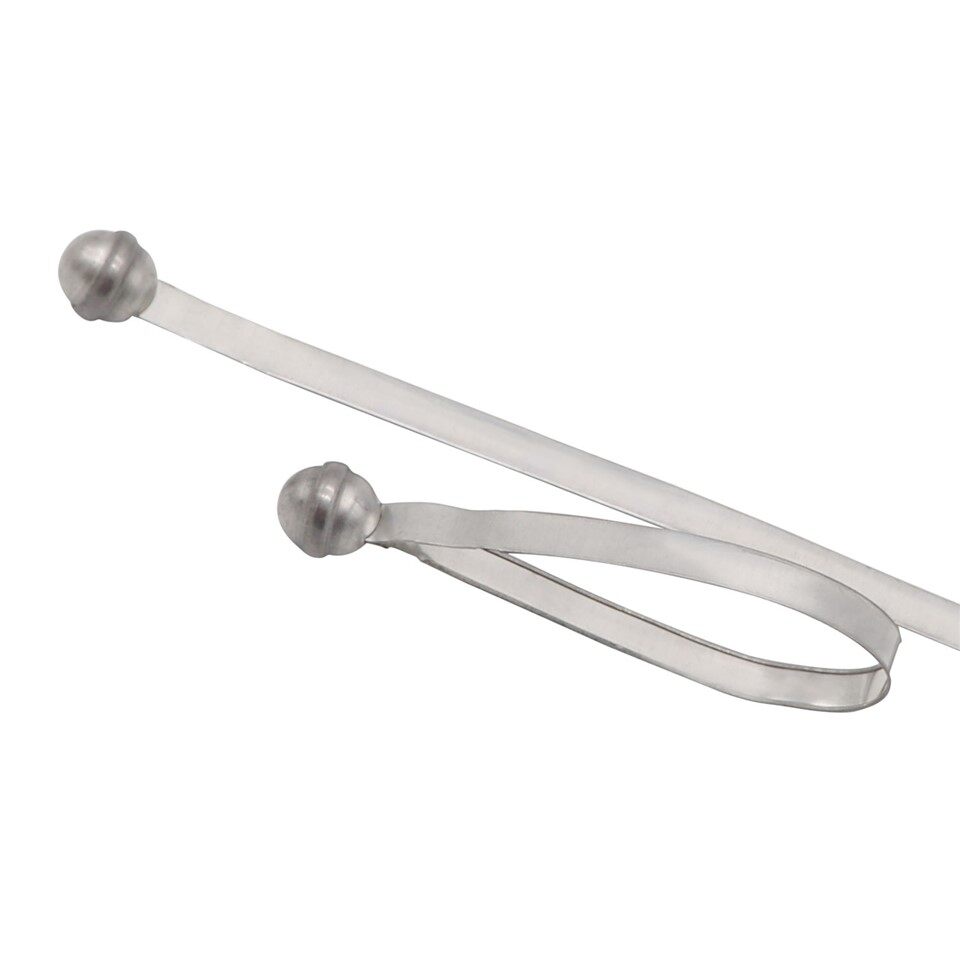
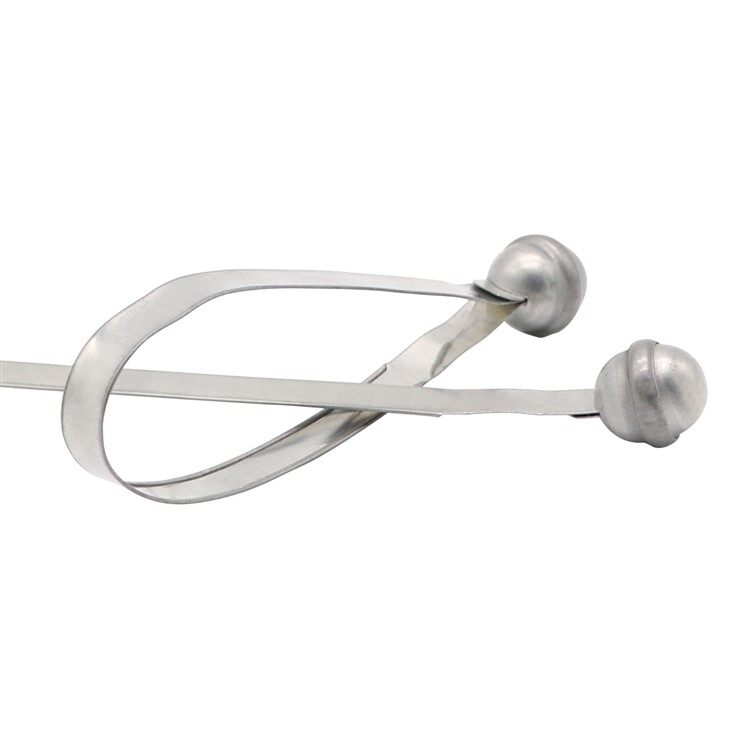
Metal Strap Seal
Why Choose Us
Quality Control
We have professional personnel to monitor the production process, inspect the products and ensure that the final product meets the required quality level standards, guidelines and specifications.
Advanced Equipment
Our company has professional production of more than 360 blockade equipment, covering an area of more than 10,000 square acres, become a comprehensive and capable enterprise integrating R&D, design, production and sales.
Customized Services
We understand that each customer has unique manufacturing needs. That's why we offer customization options to cater to your specific requirements.
Our Certificates
Many of our products have passed ISO 9001, ISO 14001 certification and OHSAS 18001 certification.
What is Metal Strap Seal
Metal Strap Seal, also known as metal security seals or metal cable seals, are commonly used for securing cargo containers, transportation equipment, meters, and other applications where tamper evidence and security are crucial. Like any security measure, metal seals have both advantages and disadvantages.


Benefits Of Metal Strap Seal
Durability
Metal Strap Seal are typically durable and resistant to tampering. They are designed to withstand various environmental conditions, including exposure to weather, moisture, and extreme temperatures.
Tamper Evidence
Metal Strap Seal provide clear visual evidence of tampering. Once a metal seal is closed and secured, any attempt to break or tamper with it will leave visible signs of damage, making it easy to detect unauthorized access.
Security
Metal Strap Seal offer a high level of security, especially when used in conjunction with a unique serial number or barcode. This allows for easy identification and tracking of sealed items.
Versatility
Metal Strap Seal come in various designs and sizes, making them suitable for a wide range of applications. They can be used to secure containers, doors, meters, and other items.
Resistance to Corrosion
Many Metal Strap Seal are made from corrosion-resistant materials such as stainless steel or aluminum, ensuring that they remain effective even in harsh environments.
Strength
Metal Strap Seal are often designed to be strong and tamper-resistant, providing an additional layer of security for high-value or sensitive items.
Customization
Some Metal Strap Seal can be customized with company logos, colors, or specific markings, enhancing brand visibility and making it easier to identify items.
Types of Metal Strap Seal
Security bolt seals
CS3 metal security bolt type sealSecurity bolt seals are one of the most representative models of maximum security metal seals. They are needed for your application, since they are required by ISO 17712. This standard regulates the approval and use of metal seals in international goods transport.Security bolt-type metal security seals are placed on the doors of the containers normally used in international trade in various ways, the most common being maritime, rail and even road transport (both intermodal and multimodal).The shaft of the seal is made of carbon steel combined with a high impact polystyrene cap. The metallic seal is covered by ABS plastic, a material which is immune to sudden changes in temperature and contact with abrasive chemicals, while also providing exceptional hardness and rigidity. In order to be authorized by international regulations, these metallic seals must undergo tensile strength tests.
Security seals with metal cable
Depending on the thickness of the cable, they will be classified as high security or security. This is determined according to their tensile strength. As described in our article about types of seals according to their level of security, the threshold value of tensile strength for designation as high security is 1019 kg. Then comes the range down to 231 kg tensile strength, which makes up the group of metal security seals.Some models of security seals with metal cables are part of both groups, for example the F-150 security seal or the F-350 and F-500 high security seals. They all have a braided galvanized steel wire cable combined with an aluminium body.Its main applications are in goods transport: high security models can be used on maritime containers (to fulfil the same function as bottle types). Metal security seals are also used to secure truck trailers in international road transport of goods, as they come under TIR regulations.
Metal indicating seals
Indicating metallic seals, in spite of being simple carriers of information, offer superior resistance to changes of temperature and climatic conditions as compared to seals made of various types of plastic.These are used in the context of international goods transport with the difference that they usually identify containers, trucks, tankers, wagons, air cargo, etc. when parked or in transit before starting their international journey (at which time the aforementioned security or high security seals will be used). These elements are usually out in the open, so extra robustness is needed compared to simple plastic seals.
Application of Metal Strap Seal
Used in medical field
In medical situations, metal strap seal are also used; however, they are frequently overlooked. In addition to being installed on first aid kits, metal strap seal are a standard requirement for all emergency gear, including airline duty-free trolleys, parachutes, and rescue assistance packages.these seals guarantee that the contents of emergency supplies are undamaged and untouched, and they are ready to use without any issue. Drugs, for example, must be kept in a place that is strictly supervised, and blood samples and samples for important tests must also be properly sealed to reduce the possibility of contamination. These seals are easily destructible labels to save time in emergencies.
Lab testing
Safety seals are often employed in laboratory testing to verify that no one has tampered with the samples. These stickers ensure the security of vials and help lab technicians recognize them. For example, the test samples are sealed in labs and testing facilities so that it is possible to verify their status and make sure they are linked to the right person and method.
Transfer of cash
Cash in transit is governed to stop fraud during transport or traceability losses. To correctly identify cash operations, the banking industry and specialized transport firms must utilize metal strap seal. For example, it becomes important to ensure safety when transferring money from one place to another, such as from a bank to atm.
Protecting classified documents
Metal strap seal are beneficial for protecting sensitive data that unauthorized people shouldn’t view. Applying safety seals to all documents that contain classified data is the most efficient technique for organizations to ensure that no one tampers with sensitive information. The seals should be tamper-evident cash bags because these offer the best proof of tampering with confidential material, such as client data or a business strategy that shouldn’t be made public.
How to Choose Metal Strap Seal
Material Strength
Ensure that the selected seals are made from high-quality materials such as stainless steel or other durable metals that can withstand tampering.
01
Wire Diameter
Consider the wire diameter, as thicker wires typically offer more security. Choose a diameter that suits the specific application and security requirements.
02
Length and Flexibility
The length of the cable should be appropriate for the application. It should be long enough to secure items without being overly cumbersome to use.
03
Locking Mechanism
Evaluate the locking mechanism. Some seals offer features like a one-time-use lock, while others may be reusable. Choose based on your operational needs.
04
Compliance Standards
Ensure that the seals meet relevant industry standards and regulations to maintain compliance and enhance security protocols.
05
Tips for Proper Use of Metal Strap Seal
One type of metal strap seal alone may not be enough to get the job done. If one security method is compromised, it is important to have additional layers of protection. You can do this by mixing and matching different combinations of metal strap seal, security tape, labels, and tamper-evident metal strap seal. You can also include visual identification methods so that there is a unique visual marker at the time of sealing that deters potential theft or tampering.
Using the same security methods over and over will allow criminals to catch on. Vary your methods to counteract predictability. Rotate the color and/or alphanumeric codes that you use randomly so patterns can't be recognized. Additionally, rotate the size, type, or model metal strap seal you use each time. Varying methods can stop people from catching on to your security methods and possibly damaging your goods.
Visible and psychological deterrents maximize the effectiveness of your metal strap seal because they stop people from even attempting to break through your seals. These deterrents include warning labels, pictures and serial decals to go over the metal strap seal, and unique coloring identification tactics.
People who regularly deal with cargo and inventory should be trained on metal strap seal inspection and procedures. This way, they know when seals need to be repaired, replaced, or switched out for a new type of metal strap seal. Do not just assume that your team knows what they need to do; train them thoroughly and train them often, especially when you introduce new team members or a new type of metal strap seal.
Installation and Usage Best Practices
Proper Installation
Follow the manufacturer’s instructions for installation. Ensure that the seal is tightly secured but not overly strained, which could lead to damage.
01
Regular Inspections
Conduct regular inspections of the seals to check for signs of tampering or wear. Replace any compromised seals immediately.
02
Training for Personnel
Train personnel on the correct usage and importance of metal cable security seals. Understanding their role in security can enhance compliance.
03
Documenting Seal Usage
Maintain a log of seal usage, including serial numbers, dates of application, and responsible personnel. This traceability can be invaluable in investigations.
04
Disposal Procedures
Establish protocols for the disposal of used seals to prevent unauthorized reuse. Consider using a shredder or other means of secure disposal.
05
Our Factory
Shandong Yuston New Material Co., Ltd.Quality supplier is located in the beautiful coast of Bohai sea - Dezhou, China. It is an integrated and high-level enterprise with the ability to research and development, design, produce, and sales; and it has professional factory which produce plastic seals, stopcock, cable seals, meter seals, bolt seals, RFID electronic seals, plastic cable seals, containers, and GPS seals. Yutong is an excellent manufacturer and exporter of security seals in China.


Certificate


FAQ
As one of the leading metal strap seal manufacturers and suppliers in China, we warmly welcome you to buy high-grade metal strap seal for sale here from our factory. All our products are with high quality and competitive price.
metal strap seal, Metal Container Seals, Container Metal Strap Seal