


Cable Tie
Why choose us
Our Product
Our main bolt seal, plastic seal, cable seal,meter seal, ear tag, cable tie, padlock seal, container lock, metal belt seal we can provide free samples, product color and size are customized, manufacturers direct sales of a variety of models are in stock.
Advanced Equipment
Our company has professional production of more than 360 blockade equipment, covering an area of more than 10,000 square acres, become a comprehensive and capable enterprise integrating R&D, design, production and sales.
Application
Products are widely used in customs, ports, logistics, postal services, supermarkets, banks, oil companies, security, electricity, animal husbandry and other industries.
Quality Control
We have professional personnel to monitor the production process, inspect the products and ensure that the final product meets the required quality level standards, guidelines and specifications.
What is Cable Tie
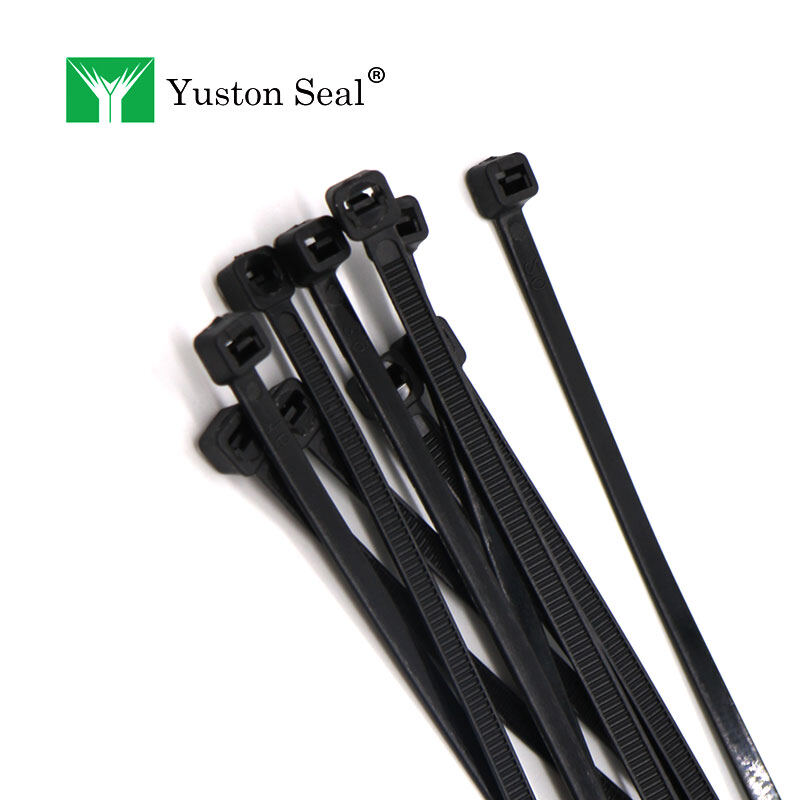
Cable ties - known casually as zip ties, tie-wraps, zip strips, and other variations - are a type of disposable fastener. Originally intended for the bundling and organization of electric cables and wires, cable ties have nearly infinite applications. They are typically made of nylon or other plastic materials, though cable ties manufactured from non-plastic materials, such as stainless steel, are also common. Cable ties can be found in a wide range of sizes and styles.


Benefits of Using Cable Ties
Ease of Use
Cable ties are very easy to use. You simply thread the tie through the locking mechanism and pull it tight. There’s no need for special tools or equipment.
Cost-Effective
Cable ties are inexpensive and available in bulk. They offer a low-cost solution for many organizational and securing tasks.
Versatility
With so many types and sizes available, cable ties can be used for a wide range of applications. They adapt to different needs and environments.
Strength and Durability
Cable ties, especially heavy-duty and stainless steel ones, provide strong and reliable holding power. They are designed to withstand a lot of stress and strain.
Neatness and Organization
Using cable ties helps keep things organized and tidy. They prevent cables from tangling and ensure that everything is in its place.
Reusability
Some types of cable ties, like releasable ones, can be used multiple times. This makes them a practical choice for tasks where adjustments or changes are needed.
Safety
Cable ties help improve safety by securing loose items and preventing them from becoming hazards. They can also help in maintaining clean and clutter-free work areas.
Customizable
With various colors, sizes, and materials available, you can choose cable ties that fit your specific needs. Customizable options make them suitable for both practical and aesthetic purposes.
Different Types of Cable Ties
Colored ties
Permanently secure cords, cables, bags, etc. They are tamper-proof, designed to lock tight, will not stretch or slide, and are used to color-code items. These also come in jumbo sizes, natural color.
Releasable cable ties
Use for items that are frequently modified. Simply press the tab to release, and the tie is ready to be reused.
Metal detectable cable ties
Nylon ties blend with metal, providing magnetic properties throughout—guards against contamination in pharmaceutical and food industries, is weather-resistant, and more cost-effective than stainless steel ties.
Identification cable ties
The same as standard ties but have a rectangular piece that can be written on to identify the items secured by the tie.
Stainless steel cable ties
Designed to use outside in even the harshest conditions to secure wires, cables, and pipes. Self-locking head for guaranteed security.
Natural security loops
Helps secure merchandise together or secure tags onto your products. Fast, economical, and permanent attachments. Easily snaps together by hand, no gun required, and they are tamper-proof.
Beaded security ties
Similar to security loops. Quickly tag parts without a gun–simply thread through tie to desired size.
Cable Tie Performance Criteria
Some key performance criteria for a cable tie is the minimum loop tensile strength, the material, and the bundle diameter.
The minimum loop tensile strength is expressed as the amount of force to cause the assembled tie to fail. These values are typically expressed in pounds, kilograms and/or Newtons. If your application needs to secure big or heavy loads a higher tensile strength would be required. Lower tensile strengths can accomodate medium to light loads.
Many of our cable ties are manufactured from type 6/6 Nylon. This material is used because of its impact strength and resistance to abrasion and chemicals.
The maximum and minimum bundle diameter of a cable tie are the extremes in which the tie will function properly.
What is the Use of Cable Ties?
Cable ties have many uses and are an invaluable asset to various industries. Here are a few common applications of cable ties:
Cable Management
Cable ties are widely used to organize and manage cables in homes, offices and industrial settings. They can help keep wires tidy by grouping them together or attaching them securely to walls or ceilings and keeping them tidy.
Electrical
Cable ties are commonly employed in electrical applications to prevent wires and cables from becoming tangled or damaged, thus protecting them from becoming tangled or knotted up.
Automotive
Cable ties are widely used in the automotive industry to secure wires, hoses, and other components as well as organise cables and wires inside cars and trucks.
Construction
Cable ties can be found in construction applications to secure materials like pipes and cables in place, while also organizing cables and wires within buildings.
Gardening
Cable ties can also be utilized in gardening to secure plants to trellises or structures such as arbors.
How to Install and Maintain cable ties?
Step-by-Step Guide to Installation
Choose the Right Cable Tie: Select a cable tie that meets the needs of your application. This includes considerations such as length, strength, material and any specific environmental factors like exposure to UV light or resistance against chemicals etc.
Prepare the Bundles: Gather together all wires or objects that you wish to secure and arrange them neatly into a bundle so that it is easy to install in an organized manner.
Inserting the Cable Tie: Take one end of the cable tie (tail) and pass it through another part (head), thus creating a loop. After that place this loop around desired item(s) tightly enough but not too much loose.
Tightening the Cable Tie: Pull on loose end of cable tie until there is no slack left within banding around bundled items; however, don’t over tighten which may cause damage to them.
Trimming Excess: Use scissors or cutters made specifically for cutting zip ties’ tails off cleanly without leaving any sharp edges behind which could hurt someone if they accidentally touch those parts while working nearby where these fasteners are used often.
Checking Installation: Ensure security by checking whether installed correctly; also make sure objects being tied up together are arranged neatly – adjust if necessary – so that they do not look messy when viewed from outside.
Tagging (If Required): Label bundles according to your need for organization or future maintenance purposes.
Understanding the Importance of Cable Tie Selection
Application-specific considerations:
The first step in selecting the right cable tie is to understand the application requirements. Different environments and applications demand specific features. For instance, in high-temperature environments, heat-resistant cable ties should be chosen to prevent degradation and failure. Similarly, for outdoor use, UV-resistant ties are essential to withstand prolonged exposure to sunlight. Consider the weight and size of the items being secured. Heavy-duty cable ties with higher tensile strength are necessary for bundling larger cables or objects, while lightweight ties can suffice for smaller cables or temporary applications. Additionally, consider any specialized requirements such as chemical resistance, flame retardancy, or anti-static properties, based on the environment and materials involved.
Material selection:
Cable ties are available in various materials, each offering different properties. The most common materials include nylon, stainless steel, and . Nylon cable ties are widely used due to their excellent strength, durability, and affordability. Stainless steel ties are ideal for extreme environments or applications requiring superior strength and resistance to corrosion. ties offer reusable and adjustable options, suitable for situations that require frequent changes or adjustments. Carefully assess the properties of each material to ensure compatibility with your application. Consider factors such as temperature resistance, chemical compatibility, and durability to ensure the cable ties will perform reliably in the intended environment.
Safety and compliance:
Safety is paramount when selecting cable ties, especially in critical applications. Using inappropriate or substandard ties can lead to equipment damage, safety hazards, or non-compliance with industry standards. It is essential to choose cable ties that meet relevant safety regulations and industry standards, such as UL, RoHS, or MIL-SPEC certifications. Furthermore, consider the health and safety aspects for installation and maintenance personnel. Smooth-edge cable ties reduce the risk of injury from sharp edges during installation or accidental contact. Additionally, coloured ties or ties with identification tags can aid in proper cable routing and identification, improving maintenance efficiency.
Ease of installation and maintenance:
Efficient installation and maintenance processes are crucial, particularly in large-scale projects or complex systems. Selecting cable ties that are easy to use and install can save time, effort, and resources. Look for features such as a self-locking mechanism, which allows for quick and secure fastening without the need for additional tools. Consider cable ties with releasable or reusable capabilities, as they facilitate easier additions, modifications, or replacements. This feature can help minimize waste and reduce overall costs in situations where cables or objects frequently change or require adjustments.
What Is The Locking Mechanism Of A Cable Tie?
The locking mechanism of a cable tie is a crucial component that securely holds items together. The most common type of locking mechanism used in stainless steel cable ties is a self-locking or ratchet mechanism.
Here’s how the locking mechanism works:
1. The cable tie consists of a flexible band with a row of tiny teeth or ridges on one side.
2. To fasten the cable tie, loop it around the bundled items and insert the pointed end into the locking mechanism.
3. As you pull the tie tight, the ratchet mechanism engages. The teeth inside the mechanism grip the ridges on the tie’s band, preventing it from loosening or sliding back.
4. The ratchet mechanism locks the tie in place, maintaining a secure grip on the bundled items.
How are cable ties produced?
Raw materials enter the production line
Through the automatic feeding system, raw materials such as polyamide enter the production line on time.
Mix melting and injection molding
Robots and automated equipment follow procedures to mix, melt and injection mold raw materials, replacing tedious manual operations and delivering superior quality.
Real-time monitoring
The production process is also equipped with a machine vision system to monitor the size, shape and quality of the cable ties in real time. If a problem occurs, the system adjusts immediately to ensure accurate production parameters, ensuring consistency and high quality.
Packaging and classification
Automated packaging and sorting systems can intelligently pack and sort cable ties.
Data collection and analysis
Data collection and analysis are an important part of this production process.
The advanced data acquisition system monitors key data in the production process in real time:
(1) Speed
(2) Energy consumption
(3) Product quality.
Through data analysis and mining, potential problems in the production process can be discovered in time, and the production process can be optimized, thereby improving production efficiency and quality.
Safety information for the use of cable ties
On the cable tie
Do not overtighten cable ties. The material can cut into soft cables or conduits. Improper trimming of the excess strap can also lead to sharp edges, which can damage other cables or surfaces and cause injuries to hands and arms. To be on the safe side, always cut cable ties flush with the head. Discover our cable tie guns with cutting function. Please also see our FAQ page about cutting cable ties.
On surfaces
When installing cable ties made of plastic, also make sure that they don’t come into contact with sharp edges, e.g. on furniture, fuse boxes etc. Movement or vibration can damage the cable tie over time. As a result, a secure hold is no longer guaranteed, and the plastic cable tie may break.
When removing cable ties
You should also exercise caution when cutting cable ties off. Cut the cable tie carefully so you don’t damage the insulation of the cables. Do not use a boxcutter to undo plastic cable ties. It can damage cables and pipes if you happen to slip or cut too deeply.
Consider the tensile strength
When selecting your cable ties, pay attention to the tensile strength information. Never exceed the maximum tensile strength for any installation. When the highest possible tension is exceeded, cable ties can break. This poses a risk if you have cables or conduits mounted to the wall or ceiling, as the bundled items may fall.
Consider the chemical resistance
Depending on the industry, cable ties need to be resistant to certain substances. Therefore, when purchasing cable ties, pay attention to the resistance to chemicals, lubricants or fuels. You can find a list of various chemical substances in our resistance chart.
Avoid temperature changes during storage
Cable ties made of polyamide PA 6.6 (nylon) absorb water from the air and also release it again. If the temperature at the storage location fluctuates, the water content of the cable ties is affected, and they become brittle. Therefore, when storing your plastic cable ties, make sure that the temperature and humidity are optimal.
Consider the temperature resistance
The operating temperature will vary depending on the material of the cable ties. Stainless steel cable ties, for example, withstand higher temperatures than those made of nylon. When choosing cable ties, make sure they can withstand the temperatures at the application site. The plastic cable ties in our online shop have a working temperature of –40 °C to +85 °C, the stainless steel cable ties have a working temperature of –80 °C to +300 °C.
Consider the UV radiation
Not all cable ties are UV resistant. White or natural-coloured plastic cable ties in particular have only a limited resistance to direct sunlight and will become brittle over time. When using cable ties for outdoor applications,
Cable Tie Materials and Their Properties
Cable ties are typically made from different materials, each with its own set of properties. Here are some common materials used in the manufacturing of cable ties:

Nylon
Nylon cable ties are the most widely used due to their excellent strength, durability, and resistance to chemicals. They are also non-conductive and have a high melting point, making them suitable for a wide range of applications.

Stainless Steel
Stainless steel cable ties are known for their exceptional strength, resistance to corrosion, and ability to withstand extreme temperatures. They are commonly used in harsh environments where durability is crucial.

Polypropylene
Polypropylene cable ties offer good chemical resistance and are often used in applications where exposure to acids, oils, and solvents is a concern. They are lightweight and cost-effective, making them a popular choice for general-purpose use.
Our Factory
Shandong Yuston New Material Co., Ltd.Quality supplier is located in the beautiful coast of Bohai sea - Dezhou, China. It is an integrated and high-level enterprise with the ability to research and development, design, produce, and sales; and it has professional factory which produce plastic seals, stopcock, cable seals, meter seals, bolt seals, RFID electronic seals, plastic cable seals, containers, and GPS seals. Yutong is an excellent manufacturer and exporter of security seals in China.


FAQ
As one of the leading cable tie manufacturers and suppliers in China, we warmly welcome you to buy high-grade cable tie for sale here from our factory. All our products are with high quality and competitive price.