


Stainless Steel Tie
Why choose us
Our Product
Our main bolt seal, plastic seal, cable seal,meter seal, ear tag, cable tie, padlock seal, container lock, metal belt seal we can provide free samples, product color and size are customized, manufacturers direct sales of a variety of models are in stock.
Advanced Equipment
Our company has professional production of more than 360 blockade equipment, covering an area of more than 10,000 square acres, become a comprehensive and capable enterprise integrating R&D, design, production and sales.
Application
Products are widely used in customs, ports, logistics, postal services, supermarkets, banks, oil companies, security, electricity, animal husbandry and other industries.
Quality Control
We have professional personnel to monitor the production process, inspect the products and ensure that the final product meets the required quality level standards, guidelines and specifications.
What is a Stainless Steel Tie?
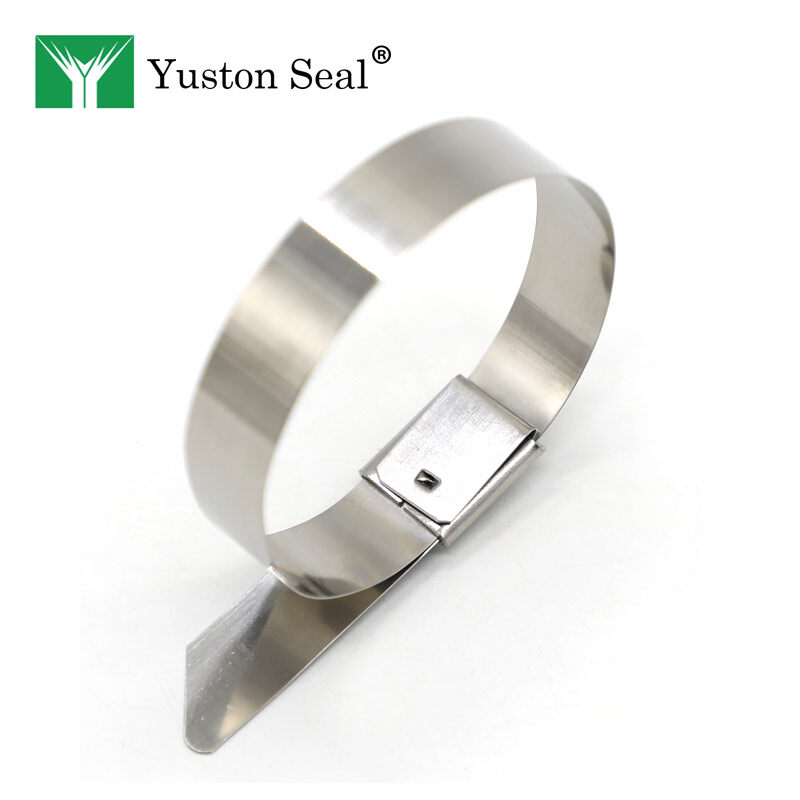
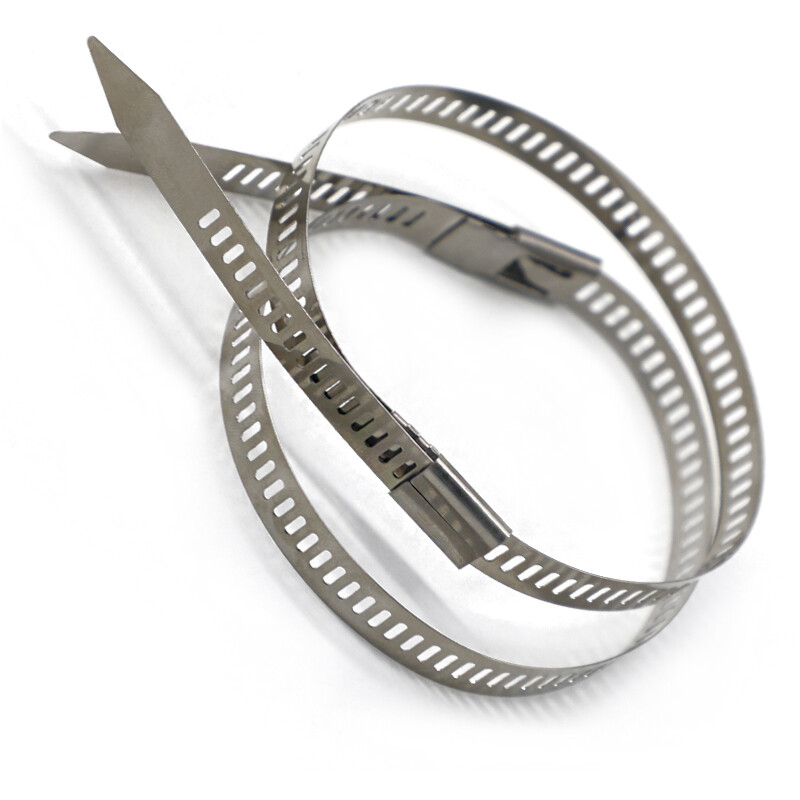
Serving exactly the same purpose as nylon 6/6 cable ties, stainless steel cable ties are manufactured from marine grade 316 stainless steel, making them perfectly suited to conditions where weather-, corrosion- and chemical-resistance is required. Stainless steel cable ties offer a wide working temperature range (-80°C to +538°C) and unequalled strength (up to 160kg, depending on the size of tie) and so are used where strength and fire resistance is needed. Stainless steel cable ties are also available with an epoxy resin coating or a PVC coating, ideal for use with galvanised steel, where strength and reduced abrasion are necessary.


Characteristics of Stainless Steel Ties
Material
They are made from stainless steel, typically 304 or 316 grades, which provide excellent resistance to corrosion, oxidation, and chemical exposure. This makes them suitable for use in harsh environments and outdoor applications.
Temperature Resistance
They can withstand a wide range of temperatures, making them suitable for both hot and cold environments.
UV Resistance
Stainless steel ties are resistant to ultraviolet (UV) radiation, which helps maintain their strength and integrity when exposed to sunlight over extended periods.
Durability
They are durable and long-lasting, providing a reliable solution for applications requiring strong and weather-resistant fastening.
What are Stainless Steel Cable Ties Used for?

Construction & Engineering

Automotive Maintenance

Outdoor Utility
What sizes are stainless steel cable ties?
There are various lengths, widths, bundle diameters and tensile strengths available across the range of stainless steel ties, from 150mm in length to 1200mm in length, to 4.6mm to 7.9mm in width.
As a general rule, the greater the width of the tie, the higher the tensile strength.
For an overview of the different sizes and strengths take a look at our size and strength chart found here.
Two Types of Stainless Steel Cable Ties
Although "stainless steel cable ties" is a general term, there are a few types that offer different levels of strength. Here's a guide to the types of stainless steel ties you can find on Trade Warehouse's webpage:
304 Grade
304-grade stainless steel is the most widely used option. It provides essential protection in all conditions and is ideal for guarding against corrosion in extreme weather.
This grade is primarily composed of high nickel content, ranging from 8% to 10.5%. The remainder consists of other alloying materials like chromium, manganese, silicon, and carbon. 304-grade stainless steel is commonly used in various household applications, including:
● Piping
● Household appliances, such as refrigerators, dishwashers, and ovens
● Marine structures
● Nuts, bolts, and nails
316 Grade
316-grade stainless steel shares many characteristics with 304 stainless steel, including high levels of chromium and nickel. However, 316 stainless steel contains significant amounts of molybdenum, which is present only in trace amounts in 304 stainless steel.
The addition of molybdenum gives 316 stainless steel superior corrosion resistance, making it ideal for applications and environments that involve exposure to chemicals. Some examples of these uses include:
● Chemical processing warehouses
● Manufacturing industries
● Medical tools
● Tools that require marine-grade materials to prevent chloride corrosion
Tips for Maintaining and Storing Your Stainless Steel Tie Wire
Proper Storage and Handling Techniques for Stainless Steel Tie Wire
Stainless steel tie wire is a valuable investment for those in various industries. To ensure their longevity and effectiveness in projects, proper storage and handling techniques need to be implemented. One key tip is to store the wire in a dry place as moisture can cause corrosion and other damage over time. It’s also important to handle the wire with clean gloves or tools, as oils and dirt from bare hands can lead to rusting. Additionally, storing them away from sources of heat or chemicals will prevent any potential damage. By following these simple tips, you can ensure that your stainless steel tie wire remains reliable for all your future projects.
Maintenance Tips to Increase the Lifespan of Your Tie Wire
To ensure the longevity of your stainless steel tie wire, it is important to follow some basic maintenance and storage tips. Firstly, make sure to clean the wire regularly with a soft cloth or brush to remove any dirt or debris that may accumulate over time. Secondly, store the wire in a dry and cool place to prevent rusting or corrosion. Thirdly, avoid exposing the wire to harsh chemicals or extreme temperatures that can damage its structure. Lastly, inspect the wire periodically for any signs of wear and tear, such as fraying or kinks, and replace it if necessary. By following these simple tips, you can extend the lifespan of your stainless steel tie wire and ensure its optimal performance in various applications.
How Environmental Factors Can Affect Your Wire’s Integrity
Stainless steel tie wire is known for its durability and resistance to corrosion, but it’s not completely immune to environmental factors that can affect its integrity. Exposure to harsh chemicals, high humidity, and extreme temperatures can cause the wire to weaken or even break over time. To ensure the longevity of your stainless steel tie wire, it’s important to store it in a dry and cool place away from direct sunlight and chemicals. Additionally, regular cleaning with a mild detergent and water can help remove any dirt or debris that may accumulate on the wire’s surface. By taking these precautions, you can ensure that your stainless steel tie wire remains strong and reliable for all your industrial needs.
What Are the Benefits of Using Stainless Steel Cable Ties for Users?
Stainless steel cable tie saves cost
In the past, when many companies needed to bundle scattered products, they usually used high-strength calipers and screws to fix this kind of goods. However, this type of tying method often caused a larger tying cost for the company.
The stainless steel cable tie is firmly fixed
After fixing the scattered goods, due to the lack of professional fixing methods, the goods often fall off and fall apart during transportation, and once the fallen goods fall from the truck, it is likely to cause harm to passers-by.
The stainless steel cable tie has a long fixed time
The zip tie manufacturer often bundles and store some goods that have lost their use-value. Such goods may not be reused for a long period of time. Many companies worry that the binding method is not in place, and the straps are strapped in the long-term storage process. There will be a problem of damage and corrosion.
Installing Stainless-Steel Cable Ties
Stainless Steel cable ties are specialty cable ties, so they need to be correctly installed so that they can work to their standard. There are two options for installing stainless steel cable ties.
Stainless Steel Cable Tie Installation without Specialty Tools
A quick pull will zip metal ties shut, and they can be opened by pushing the ratchet up with a screwdriver (Flathead). Some ties use a metal powder that enables the cables to be cut with regular cutters; others have a thin wire, needing the use of cutters intended to handle metal.
Stainless-steel ties and some nylon coated ties have a ball bearing head. This supports the cable to pass easily into the head but will wedge itself toward the cable if it’s pulled. Pliers can be used to cut the cord clinging out of the head, but a cable cutter will leave a cleaner cut.
Stainless Steel Cable Tie Installation with Specialty Tools
A cable tie installation tool is produced to cut and tighten the tie in one movement. Manual tools are an inexpensive alternative for home installers, and Power tools are used in industrial settings.
After the tail strap has been pushed through the head, it’s fed into the device until the end of the device is against the head. Pressing the trigger will slide the cable into the tool, tightening the stainless-steel cable tie. Once the correct pressure is reached, the pull will push a blade into the wire, cutting it to length.
Automated Cutting and Precision Bending
Automatic Cutting: Firstly, the stainless steel strips are cut using an automated cutting apparatus. This equipment precisely cuts the stainless steel strip according to the specified length requirements, forming the individual length of a single cable tie.
Precision Bending: After the cutting process, the stainless steel strips are directed to the next workstation for precision bending. At this stage, the strips are bent into a distinctive shape, comprising the body and locking mechanism of the cable tie. The bending process must be extremely precise to ensure that the final cable tie structure conforms to the design specifications.
Imprinting the Head
Post-shaping, FSCAT's cable tie heads undergo an imprinting process to fashion the locking mechanism. This step is crucial in guaranteeing a secure and adjustable fastening, showcasing FSCAT's dedication to precision engineering.
Automated Ball Installation
Elevating the locking capability, stainless steel ball bearings are seamlessly installed onto the cable ties through an automated process. FSCAT prioritizes precision in this step to ensure optimal functionality.
Ultrasonic Cleaning Excellence
FSCAT employs ultrasonic cleaning to eliminate any contaminants or residues from the cable ties. This not only enhances the cleanliness of the ties but also prepares them for the subsequent phase of assembly.
Meticulous Manual Assembly
A pivotal phase in FSCAT's process involves the meticulous manual assembly of cable ties. Skilled artisans delicately thread the ties through the locking mechanism, ensuring precise alignment and secure attachment. This meticulous step ensures that FSCAT's cable ties are ready for any application.
Stringent Quality Control and Inspection
Post-assembly, each cable tie undergoes FSCAT's stringent quality control and inspection. This comprehensive check includes defect verification, dimensional confirmation, and validation of the locking mechanism's flawless functionality.
Tailored Packaging for Optimal Storage
Successfully passing the quality control checks, FSCAT's cable ties are thoughtfully packaged for storage and distribution. Packaging methods are tailored based on quantity and application, guaranteeing that the ties remain in pristine condition until they reach the end users.
How to Choose Stainless Steel Ties Wisely
In the modern industrial environment, stainless steel cable ties have become indispensable across various sectors, including electrical, electronics, energy, and construction. However, with the different types and specifications of stainless steel cable ties available on the market, making informed choices is crucial for both companies and consumers.
Corrosion Resistance
Stainless steel cable ties are often used in harsh environments, so corrosion resistance is critical. Choosing stainless steel materials with high corrosion resistance, such as 316 stainless steel, can ensure stable performance under challenging conditions, including moisture and chemical exposure.
Tensile Strength
Since the main purpose of stainless steel cable ties is to bundle, secure, or support various equipment and cables, tensile strength is a crucial factor. Select a cable tie that meets engineering requirements to ensure it won’t break under excessive tension during use.
Temperature Resistance
In industries that operate in high-temperature environments, such as electricity and energy, it’s essential to choose stainless steel ties with good temperature resistance. Ties that can withstand extreme temperatures help ensure project reliability and durability.
Choice of Width and Length
Selecting the appropriate width and length based on specific usage needs is also important. A width that is too small may not meet the requirements for strapping larger equipment, while insufficient length may hinder usability. Choosing stainless steel ties that match actual needs can improve work efficiency.
Safety
Since stainless steel cable ties are often used for securing cables, ensure that the product you choose meets appropriate safety standards and certifications to minimize potential safety risks.
Brand Reputation and After-Sales Service
Opting for a brand with a solid industry reputation can provide more reliable product quality and after-sales service. Check user reviews and shared experiences to assess whether the brand can meet your needs effectively.
Our Factory
Shandong Yuston New Material Co., Ltd.Quality supplier is located in the beautiful coast of Bohai sea - Dezhou, China. It is an integrated and high-level enterprise with the ability to research and development, design, produce, and sales; and it has professional factory which produce plastic seals, stopcock, cable seals, meter seals, bolt seals, RFID electronic seals, plastic cable seals, containers, and GPS seals. Yutong is an excellent manufacturer and exporter of security seals in China.


FAQ
As one of the leading stainless steel tie manufacturers and suppliers in China, we warmly welcome you to buy high-grade stainless steel tie for sale here from our factory. All our products are with high quality and competitive price.
Stainless Steel Cable Wire Ties, stainless steel tie, Metal Cable Ties