

Hey there! As a plastic seal supplier, I often get asked if plastic seals can be used in food packaging. Well, let's dive right into this topic and break it down.
First off, the short answer is yes, plastic seals can absolutely be used in food packaging. But there are a whole bunch of factors we need to consider to make sure it's safe and effective.
Safety First: Food - Grade Plastic
When it comes to using plastic seals for food, the most important thing is the material. We need to use food - grade plastics. These are plastics that meet strict safety standards set by regulatory bodies like the Food and Drug Administration (FDA) in the United States or the European Food Safety Authority (EFSA) in Europe.
Food - grade plastics are designed not to transfer harmful chemicals, such as heavy metals or toxins, to the food. They are made from high - quality polymers that are stable and won't react with the food. For example, polyethylene (PE) and polypropylene (PP) are two commonly used food - grade plastics for seals. PE is known for its flexibility and moisture resistance, while PP has good heat resistance and is often used for applications where the food might be heated.
Advantages of Plastic Seals in Food Packaging
There are several reasons why plastic seals are a great choice for food packaging.
1. Protection
Plastic seals can provide an excellent barrier against external elements. They can keep out moisture, oxygen, and contaminants. For instance, in the case of a bag of chips, a plastic seal helps to keep the chips crispy by preventing moisture from getting in. Oxygen can also cause food to spoil or lose its flavor, so a good plastic seal can extend the shelf - life of the food by reducing oxygen exposure.
2. Tamper - Evidence
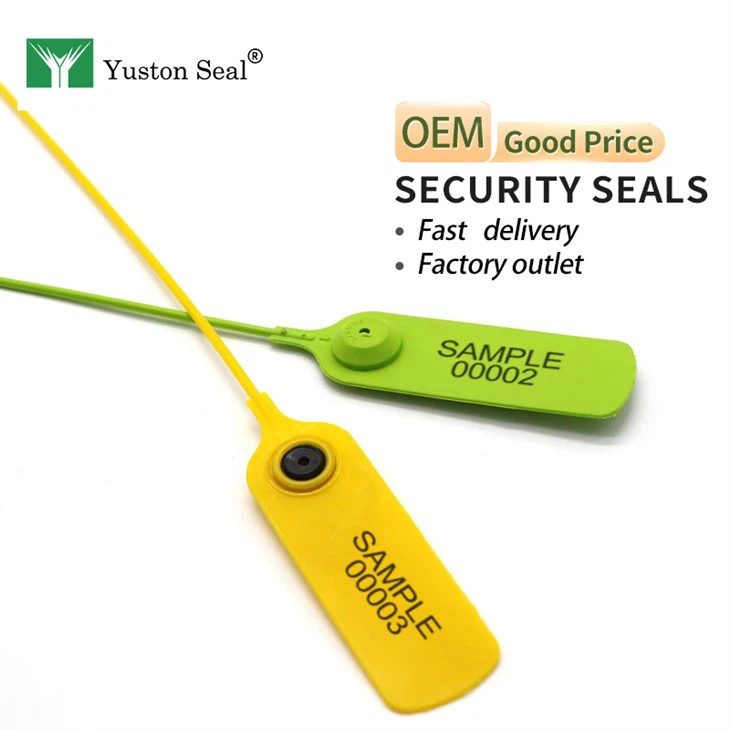
One of the key features of plastic seals is their ability to show if a package has been tampered with. Many plastic seals, like Self Locking Plastic Seals, are designed in such a way that once they are locked, they can't be opened without breaking. This gives consumers confidence that the food they are buying is in its original, unadulterated state.
3. Versatility
Plastic seals come in a wide variety of shapes, sizes, and designs. They can be customized to fit different types of food packaging, whether it's a small pouch of spices or a large container of yogurt. Some plastic seals can be printed with important information such as the brand logo, expiration date, or usage instructions.
Types of Plastic Seals for Food Packaging
Let's take a look at some of the common types of plastic seals used in food packaging.
1. Heat - Sealed Plastic Films
These are thin plastic films that are sealed onto the opening of a food container using heat. They are commonly used for products like jars of jam or bottles of sauce. The heat - sealing process creates a strong, airtight seal that keeps the food fresh.
2. Snap - On Plastic Lids
These are used for containers such as plastic tubs of butter or margarine. The snap - on design provides a secure closure and is easy for consumers to open and close.
3. Zip - Lock Plastic Bags
Zip - lock bags are extremely popular for food storage. They are reusable and provide a convenient way to keep food fresh. The zip - lock mechanism creates a tight seal that can be opened and closed multiple times.
Challenges and Considerations
While plastic seals offer many benefits, there are also some challenges and considerations.
1. Environmental Impact
Plastic waste is a major concern these days. As a plastic seal supplier, we are constantly looking for ways to reduce the environmental impact of our products. This includes using more recyclable plastics and promoting recycling initiatives. Some companies are also exploring the use of biodegradable plastics for food packaging seals.

2. Compatibility with Different Foods
Not all plastics are suitable for all types of food. For example, acidic foods can react with certain plastics over time. So, it's important to choose the right type of plastic seal based on the specific characteristics of the food, such as its pH level, fat content, and storage temperature.
3. Regulatory Compliance
As mentioned earlier, we need to comply with strict food safety regulations. This means ensuring that our plastic seals are tested and certified to meet the relevant standards. Failure to comply can result in serious consequences, including product recalls and legal issues.
Other Applications of Plastic Seals
Plastic seals aren't just limited to food packaging. They have a wide range of other applications as well. For example, Fire Extinguisher Seal is used to indicate if a fire extinguisher has been tampered with. These seals are designed to be durable and visible, so it's easy to tell if the extinguisher has been used or opened.
Security Seals are used in various industries to secure containers, trucks, and other valuable assets. They provide a high level of security and tamper - evidence, which is crucial for protecting goods during transportation and storage.
Conclusion
In conclusion, plastic seals can definitely be used in food packaging, and they offer many advantages in terms of protection, tamper - evidence, and versatility. However, we need to be aware of the challenges, such as environmental impact and regulatory compliance. As a plastic seal supplier, we are committed to providing high - quality, safe, and environmentally friendly products.
If you're in the food packaging industry or any other industry that requires plastic seals, I'd love to have a chat with you. Whether you need help choosing the right type of plastic seal for your product or want to discuss custom - made solutions, I'm here to assist. Let's work together to find the best plastic seal options for your needs.
References
- Food and Drug Administration (FDA). "Food Contact Substances Notification Program."
- European Food Safety Authority (EFSA). "Guidance on Food Contact Materials."
- Industry reports on plastic packaging trends and regulations.