

In the dynamic landscape of animal marketing, ear tags have emerged as indispensable tools that offer a multitude of benefits to farmers, ranchers, and the broader agricultural industry. As a leading Ear Tag supplier, I've witnessed firsthand how these small yet powerful devices revolutionize the way animals are managed, tracked, and marketed. In this blog post, I'll delve into the various ways ear tags assist in animal marketing and why they are a must - have for anyone involved in the animal trade.
Identification and Traceability
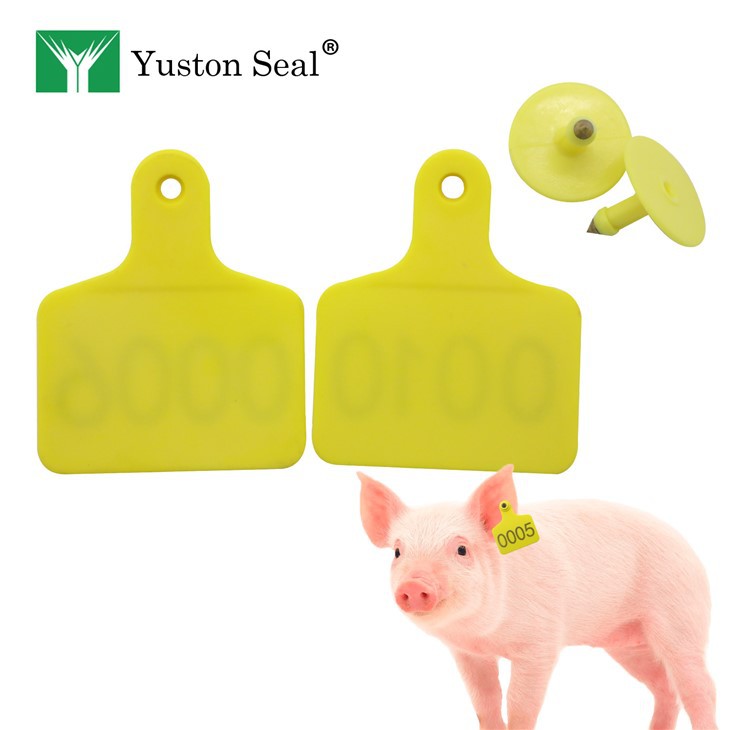
One of the primary functions of ear tags in animal marketing is identification. Each ear tag can be assigned a unique number or code, which serves as a permanent identifier for the animal. This allows farmers to easily distinguish between individual animals within a herd or flock. For instance, a cattle farmer can quickly identify a specific cow by its Cow Number Tags. This is crucial when it comes to marketing, as buyers often want to know the exact animal they are purchasing.
Traceability is another key aspect. In today's market, consumers are increasingly concerned about the origin and history of the meat, milk, or other animal products they consume. Ear tags enable farmers to maintain detailed records about each animal's birth date, vaccination history, breeding information, and any health issues it may have faced. When an animal is sold, this information can be easily transferred to the new owner, providing transparency and building trust. For example, if a buyer is interested in purchasing a sheep for breeding purposes, they can access the animal's genetic and health history through the information linked to its Sheep And Goat Ear Tags.
Health Management and Quality Assurance
Ear tags play a vital role in animal health management, which directly impacts animal marketing. By keeping track of vaccination schedules and health check - ups using ear tag - related records, farmers can ensure that their animals are in optimal health. Healthy animals are more likely to meet market standards and command higher prices.
Moreover, in the event of a disease outbreak, ear tags facilitate rapid identification and isolation of affected animals. This helps contain the spread of the disease, protecting the rest of the herd or flock and ensuring that only healthy animals enter the market. For example, if a case of a contagious disease is detected in a pig farm, the ear tags can be used to quickly trace the animal's contacts and take appropriate measures to prevent further contamination. This proactive approach to health management enhances the overall quality of the animals available for marketing.
Herd and Flock Management
Effective herd and flock management is essential for successful animal marketing. Ear tags assist in this process by providing real - time data on the movement and behavior of animals. Some advanced ear tags are equipped with sensors that can monitor an animal's activity level, body temperature, and location. This information helps farmers detect early signs of stress, illness, or pregnancy, allowing for timely intervention.
For instance, if an ear tag indicates that a particular cow has a sudden drop in activity level and an elevated body temperature, the farmer can immediately suspect illness and take the necessary steps to treat the animal. By optimizing the health and well - being of the herd or flock, farmers can increase productivity and produce animals that are more marketable. Additionally, ear tags can be used to manage breeding programs, ensuring that the best genetic traits are passed on to the next generation, which ultimately improves the quality of animals available for sale.
Market Differentiation
In a competitive animal market, differentiation is key. Ear tags can be customized with various colors, shapes, and logos, allowing farmers to brand their animals. This branding can create a unique identity for their products and help them stand out from the competition. For example, a farm that specializes in organic or free - range animals can use ear tags with a distinct logo to communicate their brand values to buyers.
Customized ear tags also provide an opportunity for farmers to engage with consumers on a deeper level. By including a QR code or a link on the ear tag, consumers can access detailed information about the animal's life, the farming practices used, and the environmental impact of the production. This transparency can build a loyal customer base and increase the marketability of the animals.
Compliance with Regulations
The agricultural industry is subject to numerous regulations regarding animal identification and traceability. Ear tags help farmers comply with these regulations, which is essential for accessing certain markets. For example, in many countries, it is mandatory for livestock to be tagged with official identification numbers for disease control and food safety purposes. By using high - quality Ear Tag products that meet regulatory standards, farmers can avoid penalties and ensure that their animals can be legally sold in the market.
Conclusion
In conclusion, ear tags are invaluable assets in animal marketing. They offer a wide range of benefits, from identification and traceability to health management, herd and flock optimization, market differentiation, and regulatory compliance. As an Ear Tag supplier, I am committed to providing high - quality, reliable ear tags that meet the diverse needs of the agricultural industry.
If you're a farmer, rancher, or anyone involved in the animal trade, I encourage you to explore the possibilities that ear tags can offer for your business. Whether you're looking to improve the efficiency of your operations, enhance the quality of your animals, or stand out in the market, our ear tags are the solution. Contact us today to discuss your specific requirements and start reaping the benefits of ear tags in your animal marketing endeavors.

References
- American Veterinary Medical Association. (2023). Animal Identification and Traceability.
- Food and Agriculture Organization of the United Nations. (2022). Guidelines for Animal Identification and Traceability Systems.
- National Institute of Animal Agriculture. (2021). Best Practices for Animal Health Management.