

In the shipping and logistics industry, container locks play a crucial role in ensuring the safety and security of goods during transit. As an experienced container lock supplier, I often encounter customers who are looking to upgrade their old container locks. Upgrading can enhance security, improve functionality, and extend the lifespan of the locking system. In this blog post, I will share some practical tips on how to upgrade an old container lock.
Assessing the Current Situation
The first step in upgrading an old container lock is to assess its current condition. Examine the lock for signs of wear and tear, such as rust, corrosion, or damage to the locking mechanism. Check if the lock is still functioning properly and if it provides adequate security. Consider the type of goods being transported and the level of security required. For high - value or sensitive cargo, a more advanced locking system may be necessary.

Understanding Different Types of Container Locks
Before making a decision on an upgrade, it's important to understand the different types of container locks available in the market.
- Intermodal Container Locks: These locks are designed for use in intermodal transportation, where containers are transferred between different modes of transport such as ships, trains, and trucks. Intermodal Container Locks are built to withstand the rigors of long - distance travel and various environmental conditions. They offer a high level of security and are often used in international shipping. Intermodal Container Locks
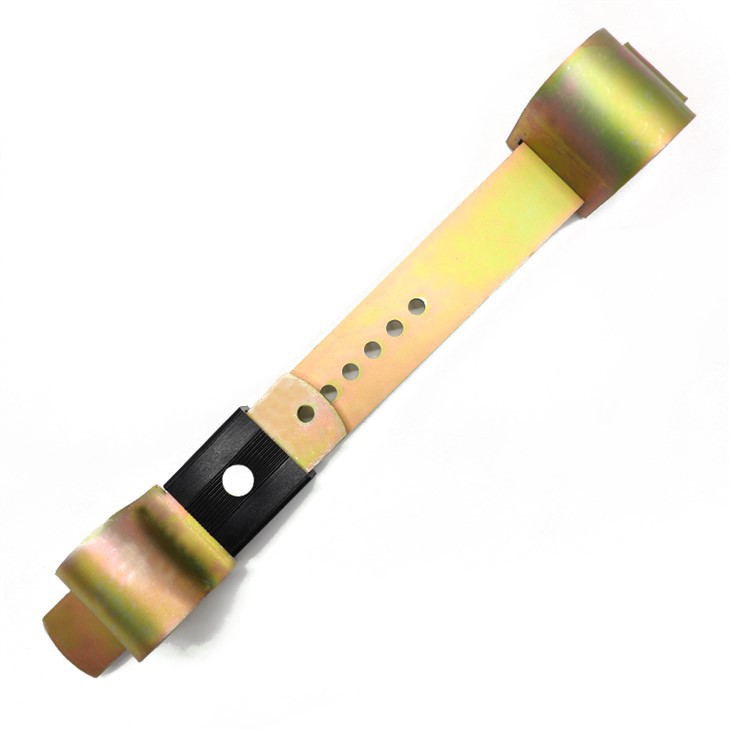
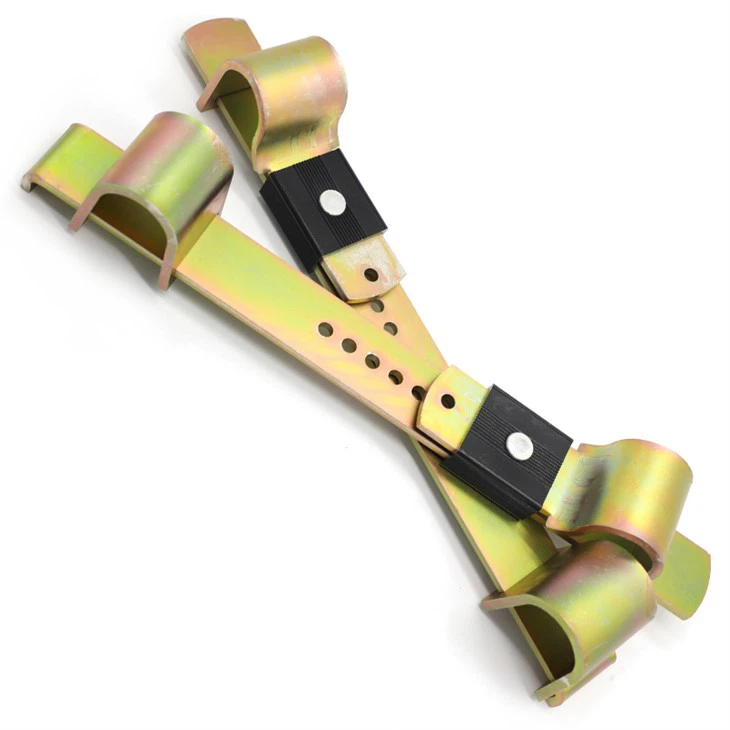
- Adjustable Container Lock: Adjustable container locks are versatile and can be adjusted to fit different container sizes and configurations. They are ideal for situations where you need to secure containers of various dimensions. These locks provide flexibility and can be easily installed and removed. Adjustable Container Lock
- Container Security Lock: Container security locks are specifically designed to prevent unauthorized access to containers. They come with advanced features such as tamper - proof mechanisms, high - strength materials, and unique key systems. These locks offer enhanced security and are suitable for protecting valuable or sensitive goods. Container Security Lock
Choosing the Right Upgrade
Based on the assessment of the current lock and the understanding of different types of container locks, you can choose the right upgrade. If the old lock is showing significant signs of wear and is no longer providing adequate security, a high - security container security lock may be a good choice. For intermodal transportation, an intermodal container lock would be more appropriate. If you need to secure containers of different sizes, an adjustable container lock is the way to go.
Installation Process
Once you have chosen the new container lock, the next step is the installation process. Most container locks are designed for easy installation and can be installed by following the manufacturer's instructions. Here are some general steps for installing a container lock:
- Prepare the Container: Clean the area where the lock will be installed to ensure a proper fit. Remove any dirt, debris, or rust from the container surface.
- Position the Lock: Align the lock with the container's locking points. Make sure the lock is centered and properly positioned for optimal functionality.
- Secure the Lock: Use the appropriate tools to secure the lock to the container. This may involve tightening bolts, screws, or other fasteners. Ensure that the lock is firmly attached and cannot be easily removed.
- Test the Lock: After installation, test the lock to make sure it is working properly. Check if the locking and unlocking mechanisms are smooth and if the lock provides a secure fit.
Maintenance and Inspection
Upgrading the container lock is not the end of the process. Regular maintenance and inspection are essential to ensure the continued performance and security of the lock.
- Cleaning: Periodically clean the lock to remove dirt, dust, and debris. Use a mild detergent and a soft brush to clean the lock, and then dry it thoroughly to prevent rust and corrosion.
- Lubrication: Apply a suitable lubricant to the locking mechanism to ensure smooth operation. This will help prevent jamming and extend the lifespan of the lock.
- Inspection: Regularly inspect the lock for signs of damage or wear. Check the locking mechanism, fasteners, and the overall condition of the lock. If any issues are detected, take immediate action to repair or replace the lock.
Cost - Benefit Analysis
When considering an upgrade, it's important to conduct a cost - benefit analysis. While upgrading to a more advanced container lock may involve an upfront cost, it can provide long - term benefits. A high - security lock can reduce the risk of theft and damage to goods, which can save you money in the long run. Additionally, a well - functioning lock can improve the efficiency of your shipping operations by reducing delays caused by lock - related issues.
Case Studies
Let me share a few case studies to illustrate the benefits of upgrading container locks.

Case Study 1: International Shipping Company An international shipping company was using old, basic container locks for their cargo. They were experiencing a high rate of theft and damage to their goods during transit. After upgrading to intermodal container locks, the company saw a significant reduction in theft incidents. The new locks provided better security and were more resistant to tampering. As a result, the company was able to save money on insurance claims and improve customer satisfaction.
Case Study 2: Logistics Provider A logistics provider was handling a variety of container sizes and needed a more flexible locking solution. They upgraded to adjustable container locks, which allowed them to easily secure containers of different dimensions. This increased the efficiency of their operations as they no longer had to search for the right - sized lock for each container. The adjustable locks also provided a more secure fit, reducing the risk of goods shifting during transit.
Conclusion
Upgrading an old container lock is a smart investment for any business involved in shipping and logistics. By assessing the current situation, understanding different types of locks, choosing the right upgrade, following the proper installation process, and conducting regular maintenance and inspection, you can enhance the security and functionality of your container locking system.
If you are interested in upgrading your container locks or have any questions about our products, we invite you to contact us for a detailed discussion. Our team of experts is ready to assist you in finding the best solution for your specific needs. Whether you need intermodal container locks, adjustable container locks, or container security locks, we have a wide range of high - quality products to meet your requirements.
References
- International Maritime Organization (IMO). Guidelines for Container Security.
- American National Standards Institute (ANSI). Standards for Container Locks.
- Industry reports on container security and lock technology.