

As a supplier of plastic meter seals, I often encounter inquiries about various technical aspects of our products. One question that frequently comes up is, "What is the coefficient of friction of plastic meter seals?" In this blog post, I'll delve into this topic, explaining what the coefficient of friction is, why it matters for plastic meter seals, and how it can impact the performance of these essential security devices.
Understanding the Coefficient of Friction
The coefficient of friction is a measure of the resistance to sliding between two surfaces in contact. It is a dimensionless quantity that represents the ratio of the force required to move one surface over another to the normal force pressing the two surfaces together. There are two main types of coefficients of friction: static and kinetic.
The static coefficient of friction (μs) applies when the two surfaces are at rest relative to each other and a force is applied to initiate motion. It determines the maximum force that can be applied before the surfaces start to slide. Once the surfaces are in motion, the kinetic coefficient of friction (μk) comes into play. The kinetic coefficient is typically lower than the static coefficient, meaning it takes less force to keep the surfaces sliding than to start the motion.
Mathematically, the relationship between the frictional force (Ff), the normal force (Fn), and the coefficient of friction (μ) can be expressed as:
Ff = μ * Fn
Why the Coefficient of Friction Matters for Plastic Meter Seals
Plastic meter seals are used in a variety of applications, including gas meters, electric meters, and water meters, to prevent unauthorized access and tampering. The coefficient of friction plays a crucial role in the performance and functionality of these seals in several ways:
1. Installation and Removal
During the installation process, the seal needs to be securely attached to the meter or the equipment. A higher coefficient of friction between the seal and the surface it is being attached to ensures a more secure fit. This prevents the seal from accidentally coming loose due to vibrations, movements, or external forces. On the other hand, when it comes to removing the seal for legitimate purposes such as maintenance or inspection, the coefficient of friction should not be so high that it becomes extremely difficult to remove without damaging the seal or the equipment.
2. Resistance to Tampering
A proper coefficient of friction can enhance the seal's resistance to tampering. If an unauthorized person tries to remove or manipulate the seal, a higher coefficient of friction can make it more challenging to slide or pry the seal off. This adds an extra layer of security to the meter and helps to deter potential tampering attempts.
3. Long - Term Performance
Over time, the coefficient of friction can affect the durability of the seal. If the coefficient is too low, the seal may gradually loosen, increasing the risk of tampering. Conversely, if it is too high, excessive wear and tear may occur during normal use, potentially leading to premature failure of the seal.
Factors Affecting the Coefficient of Friction of Plastic Meter Seals
Several factors can influence the coefficient of friction of plastic meter seals:
1. Plastic Material
Different types of plastics have different surface properties and frictional characteristics. For example, polypropylene (PP) and polyethylene (PE) are commonly used in plastic meter seals. PP generally has a relatively low coefficient of friction, which can make it easier to mold and handle during the manufacturing process. However, it may require additional surface treatments or additives to increase its frictional properties for better security. On the other hand, some engineering plastics like polycarbonate (PC) or acrylonitrile - butadiene - styrene (ABS) may have higher coefficients of friction, providing better grip and security.
2. Surface Finish
The surface finish of the plastic meter seal can significantly impact the coefficient of friction. A smooth surface will generally have a lower coefficient of friction compared to a rough or textured surface. Manufacturers can control the surface finish during the molding process to achieve the desired frictional properties. For example, adding micro - grooves or a patterned surface can increase the coefficient of friction and improve the seal's grip on the meter.
3. Contact Surface
The material and condition of the surface to which the plastic meter seal is attached also play a role. If the contact surface is smooth and clean, the coefficient of friction may be different compared to a rough or dirty surface. For instance, if the meter has a painted or coated surface, the frictional interaction between the seal and the meter will be affected by the properties of the paint or coating.
4. Environmental Conditions
Temperature, humidity, and exposure to chemicals can all affect the coefficient of friction of plastic meter seals. High temperatures can cause the plastic to soften, potentially reducing the coefficient of friction. Humidity can also change the surface properties of the plastic and the contact surface, leading to variations in the frictional force. Chemical exposure, such as contact with cleaning agents or corrosive substances, can damage the plastic surface and alter its frictional characteristics.
Measuring the Coefficient of Friction of Plastic Meter Seals
There are several methods available to measure the coefficient of friction of plastic meter seals. One common approach is the inclined plane method. In this method, the seal is placed on an inclined surface, and the angle of the incline is gradually increased until the seal starts to slide. The coefficient of friction can then be calculated using the following formula:
μ = tan(θ)
where θ is the angle of inclination at which the seal begins to slide.
Another method is the use of a friction tester, which applies a known normal force to the seal and measures the force required to move it across a surface. This method provides more accurate and precise measurements and can be used to evaluate both the static and kinetic coefficients of friction.
Coefficient of Friction in Different Types of Plastic Meter Seals
Let's take a look at how the coefficient of friction can vary in different types of plastic meter seals:
Gas Meter Tamper Seals
Gas Meter Tamper Seal are designed to prevent unauthorized access to gas meters. These seals need to have a sufficient coefficient of friction to ensure a secure fit on the meter. A proper frictional force helps to prevent the seal from being easily removed or tampered with, protecting the integrity of the gas supply and ensuring accurate meter readings.
Gas Meter Security Seals
Gas Meter Security Seals are often used in high - security applications. They typically require a higher coefficient of friction to provide enhanced resistance to tampering. These seals may be made from more durable plastics with better frictional properties and may also feature additional locking mechanisms or surface treatments to increase the frictional force.
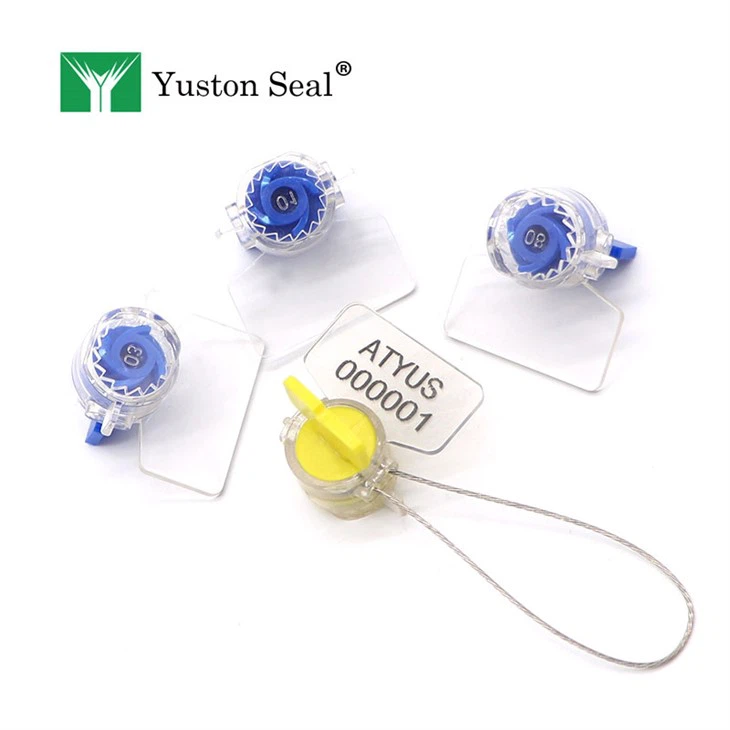
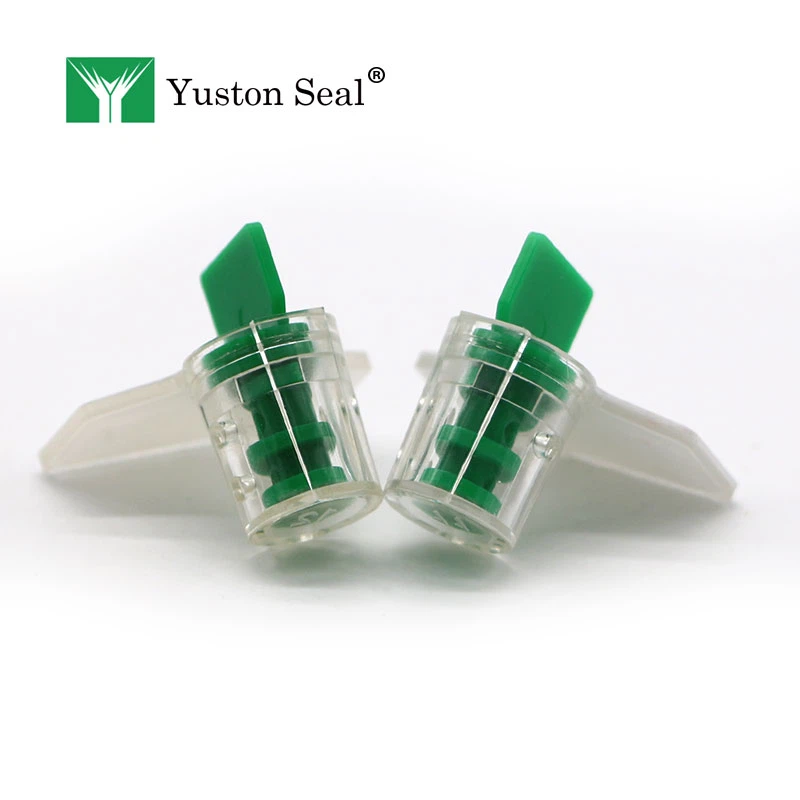
Electric Meter Box Seals
Electric Meter Box Seal are used to seal the access points of electric meter boxes. The coefficient of friction of these seals is important for both installation and security. A good frictional fit ensures that the seal remains in place during normal use and protects the meter from unauthorized entry.
Conclusion
The coefficient of friction is a critical parameter for plastic meter seals. It affects the installation, removal, security, and long - term performance of these seals. As a supplier of plastic meter seals, we understand the importance of optimizing the coefficient of friction to meet the specific requirements of different applications. By carefully selecting the plastic material, controlling the surface finish, and considering the environmental conditions, we can ensure that our seals provide reliable and secure protection for meters.
If you are in the market for high - quality plastic meter seals or have any questions about the coefficient of friction or other technical aspects of our products, we encourage you to contact us for a detailed discussion. We are committed to providing the best solutions for your metering security needs and look forward to the opportunity to work with you.
References
- Bowden, F. P., & Tabor, D. (1950). The Friction and Lubrication of Solids. Oxford University Press.
- Holmberg, K., & Erdemir, A. (2017). Friction, Wear, and Lubrication: A Textbook. CRC Press.