

If you've ever shipped a pallet across the country or watched a container get loaded onto a cargo ship, you've probably seen those little plastic seals on the door latches. I'm a container plastic seal supplier, and lately, I've gotten a lot of questions from new clients asking: "What rules actually govern how these seals are used?" It's not just about slapping a seal on and calling it a day-there's a whole mix of international trade laws, transportation regulations, and industry best practices that shape everything from what kind of seal you can use to how you apply it. Let's break this down in plain terms, no jargon, just what actually matters for anyone moving goods.
First off, if you're dealing with international shipping, you can't skip the ISO standards. ISO, that's the International Organization for Standardization, set specific rules for container security seals to make sure they work across borders. Their 17712 standard is the big one here-it classifies seals into three levels: High Security (Level 1), Security (Level 2), and Indicative (Level 3). For most commercial shipments that cross international lines, you need at least a Level 2 seal, and high-value cargo? Definitely Level 1. These standards aren't just random-they're designed to prevent tampering, counterfeiting, and theft, which is a huge issue for supply chains. I've noticed that more and more shippers are switching to tamper evident plastic seal that meet ISO 17712, because customs agents will actually reject shipments with seals that don't meet these requirements. It's not worth the delay-trust me, I've seen too many containers sit at a port for days because their seal didn't check out.
Next, let's talk about transportation-specific regulations, because different modes of shipping have their own rules. If you're moving stuff by road, like with trucks, there are rules from organizations like the Federal Motor Carrier Safety Administration (FMCSA) in the U.S. or the European Commission's road transport laws. For road shipments, a lot of carriers require a plastic truck seals that's durable enough to handle the vibration and rough handling of highways, and also easy to verify at weigh stations or checkpoints. Rail shipping has different needs too-rail containers can jostle more, so the seal has to be tight enough not to come loose accidentally, but also easy to remove when it gets to the destination. And air cargo? It's even stricter, because air shipments are higher value and move faster, so seals need to be tamper-evident and easy to track.
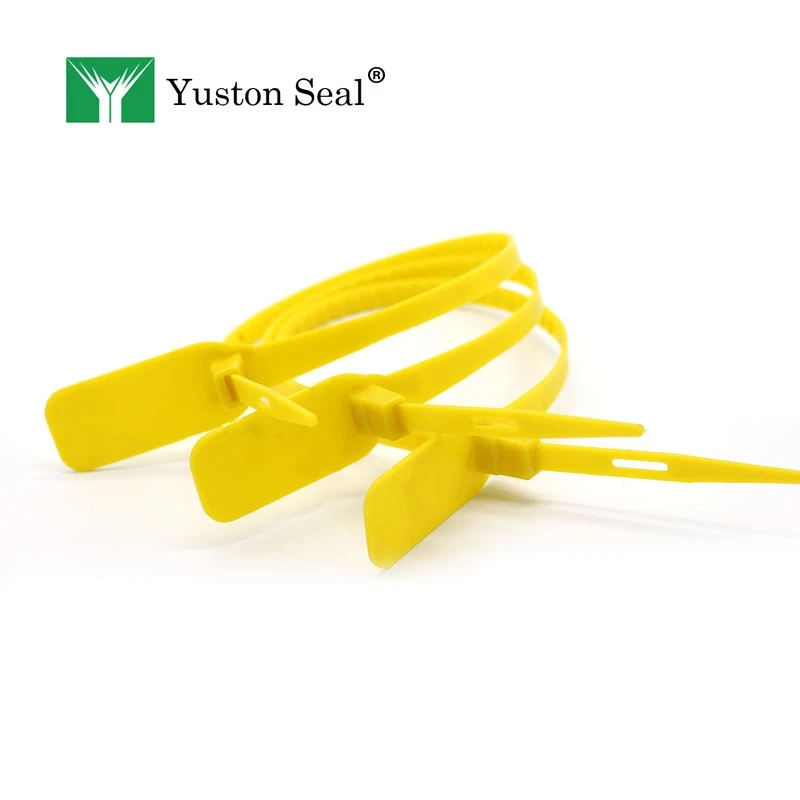
Customs regulations are another big piece of the puzzle. When a container crosses a border, customs officials need to be able to confirm that the seal hasn't been broken or altered. That's where things like unique seal numbers come in-most regulations require each seal to have a distinct, traceable number that's logged when the container is sealed. In the U.S., for example, Customs and Border Protection (CBP) requires that seals used on imported containers must be recorded in their Advance Manifest System. If your seal is missing a unique number, or if it's a type that can be easily duplicated, CBP might hold your shipment for inspection. Same goes for the EU-their Union Customs Code has specific rules about seal authentication, so shippers need to use seals that are hard to counterfeit. That's why a lot of my clients opt for pull tight plastic seal with one-time-use mechanisms-you can't reapply them after they're broken, which makes it easy for customs to tell if a container was opened mid-transit.

Wait, let's not forget about niche applications. For example, if you're transporting hazardous materials, there are extra regulations from organizations like the Pipeline and Hazardous Materials Safety Administration (PHMSA) in the U.S. or the International Maritime Organization (IMO). Hazardous materials need seals that can withstand extreme temperatures or pressure, and also clearly indicate if the seal has been tampered with. I also work with a lot of clients who supply seals for first aid kits, and those have their own set of rules too-First Aid Kit Security Seals need to be easy to break for emergency responders, but also strong enough to prevent unauthorized access. It's a different balance than container seals, but still governed by safety standards.
Now, a common question I get: do these regulations apply to domestic shipping too? The short answer is yes, though they're often a bit less strict than international rules. Even if you're just moving a container between warehouses in the same country, most companies and carriers will follow the same ISO guidelines as a standard practice. Why? Because theft in domestic supply chains is still a multi-billion dollar problem, and using compliant seals is a simple way to reduce risk. I've had small business clients who thought they could use cheap, generic seals for domestic shipments, but after a couple of pallets went missing, they switched to plastic container seals that meet ISO standards. It's a small investment that saves a lot of headaches.
Of course, there are also best practices that go beyond just meeting regulations. For example, you should always make sure the seal is applied correctly-tight enough that it can't be slipped off without breaking, but not so tight that it damages the container's latch. You should also take a photo of the seal's unique number right after applying it, and keep a record of that until the container reaches its destination. If something goes wrong, that photo is proof that the seal was intact when it left your facility. A lot of shippers skip this step, but it can make a huge difference in resolving disputes about whether cargo was stolen or damaged during transit.
I will say, though, that regulations are always evolving. Post-pandemic, supply chain security has become a bigger priority for governments around the world, so we've seen new rules come out about seal traceability and anti-counterfeiting. For example, some countries are now requiring seals to have QR codes or RFID tags so that they can be tracked digitally throughout the entire shipping process. That's something I've been integrating into my products lately, because I want my clients to be ahead of these changes instead of playing catch-up.
If you're someone who's new to sourcing container seals, it's easy to get overwhelmed by all these rules. The key is to start by figuring out what kind of shipping you're doing-international, domestic, hazardous materials, etc.-and then make sure the seals you choose meet the relevant standards. Don't just go for the cheapest option, because a seal that doesn't meet regulations can end up costing you a lot more in delays or lost cargo.
At the end of the day, these regulations exist for a reason. They're not just red tape-they protect your cargo, they speed up customs clearances, and they keep supply chains running smoothly. If you're in the market for compliant container plastic seals, feel free to reach out. I can help you figure out exactly what kind of seal you need, whether it's for a cross-border container shipment, a domestic truck load, or a specialized application like first aid kits. We've got a range of options that meet all the latest regulations, so you don't have to worry about missing a detail.
References:
- International Organization for Standardization (ISO). (2015). ISO 17712:2015, Freight containers - Mechanical security seals.
- U.S. Customs and Border Protection (CBP). (2022). Guidelines for Container Security Seals in International Shipments.
- European Commission. (2023). Union Customs Code: Rules on Seal Authentication for Cross-Border Goods.
- Federal Motor Carrier Safety Administration (FMCSA). (2021). Security Requirements for Road Transport Seals.
- International Maritime Organization (IMO). (2022). Standards for Seals on Hazardous Material Containers.