


Why choose us
Our Product
Our main bolt seal, plastic seal, cable seal,meter seal, ear tag, cable tie, padlock seal, container lock, metal belt seal we can provide free samples, product color and size are customized, manufacturers direct sales of a variety of models are in stock.
Advanced Equipment
Our company has professional production of more than 360 blockade equipment, covering an area of more than 10,000 square acres, become a comprehensive and capable enterprise integrating R&D, design, production and sales.
Application
Products are widely used in customs, ports, logistics, postal services, supermarkets, banks, oil companies, security, electricity, animal husbandry and other industries.
Quality Control
We have professional personnel to monitor the production process, inspect the products and ensure that the final product meets the required quality level standards, guidelines and specifications.
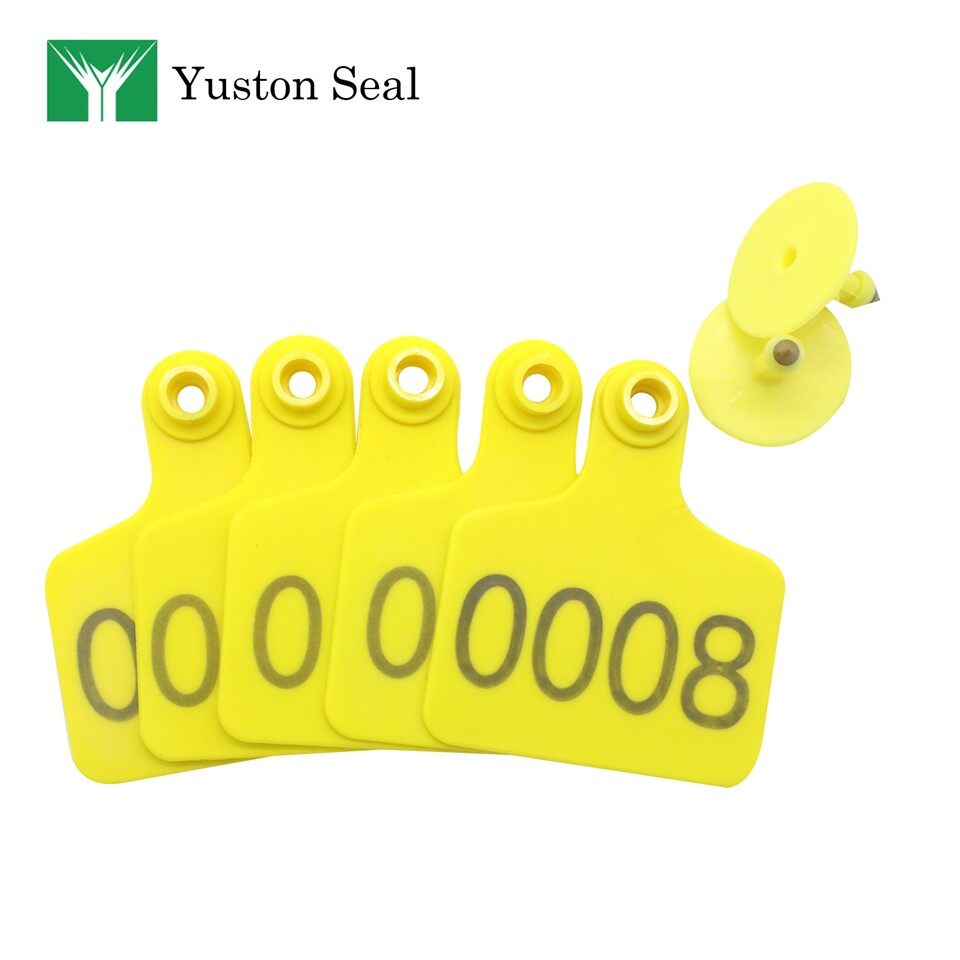
Place of Origin: Shandong, China
Model Number: YTET014 Ear Tag
Size: 62*70mm
Packing size: 53*32*14cm
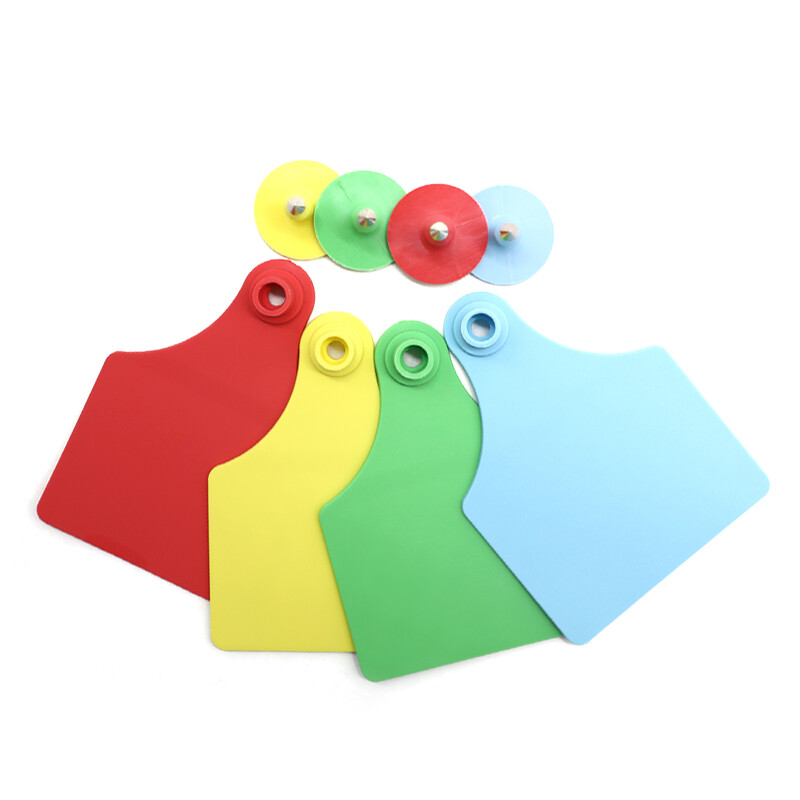
Material: TPU
Color: Yellow,White,Blue,Green,Red,Orange and so on
Imprinting: Laser engraving/Hot stamping
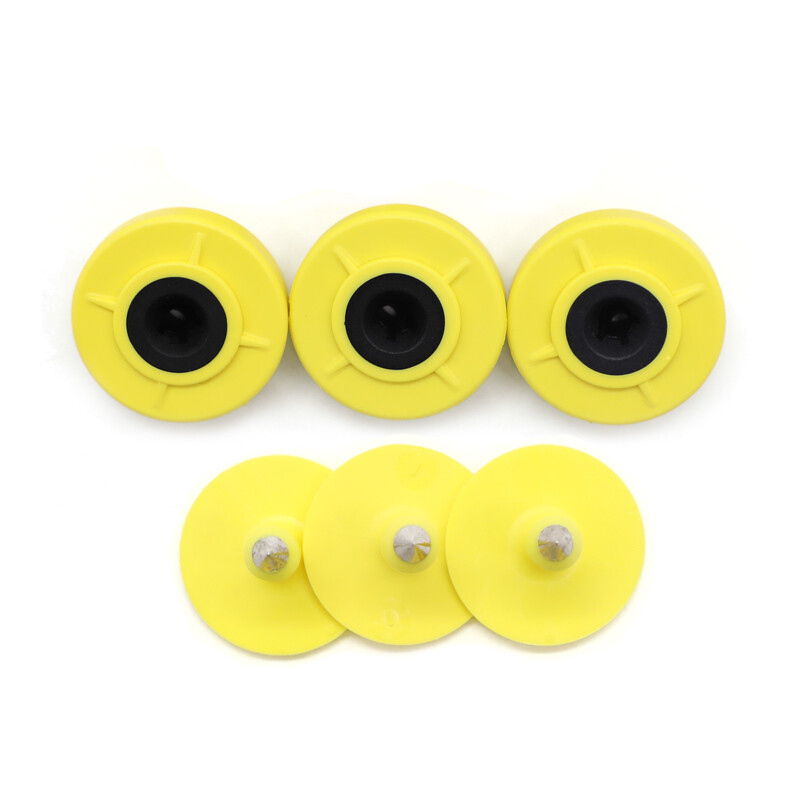
Material: TPU
Standard: EPC Global Class L Gen 2 ISO 1800-6C
Specification: Master standard: diameter 30mm height 14mm
Antenna chip: Cu27 H3 Cu27 H4
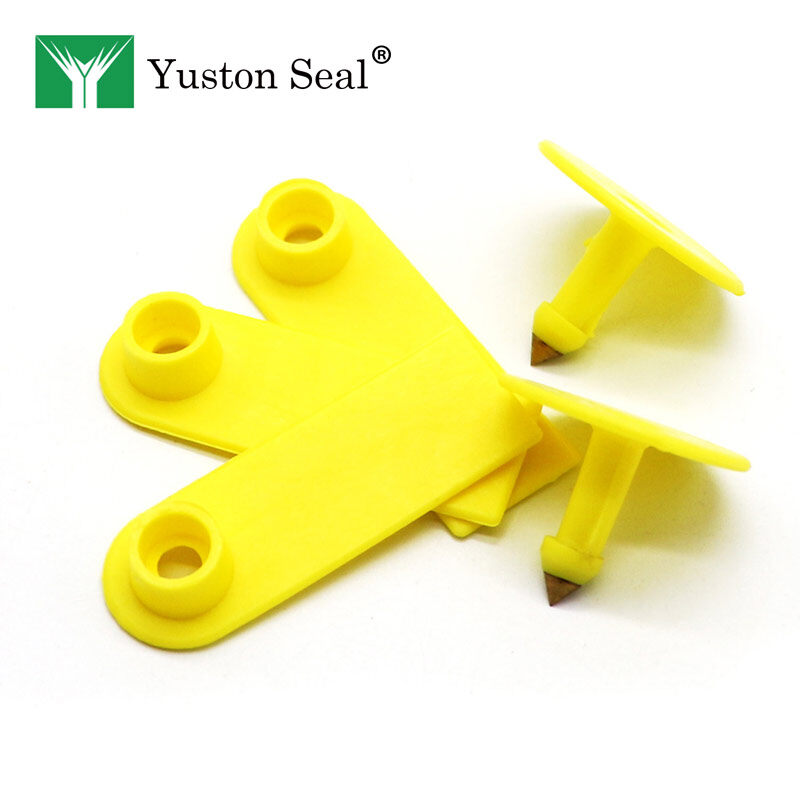
High quality TPU material.
Non-toxic, environment-friendly, corrosion-resistant, anti-ultraviolet, oxidation-resistant with no peculiar smell.

We offer a comprehensive range of animal ear tags designed to meet a variety of livestock management needs. Our ear tags are an important tool for the identification and management of a wide range of animals including cattle, sheep, goats and pigs.
What is Cow Number Tags
Cow Number Tags are a critical component of managing livestock, as they help producers quickly identify key details including which animals are theirs, their year of birth, and their breeding background. Depending on the type of tag in use, they can also be used to track other important data like location.
Cow Number Tags Information
Cows
Use large-sized ear tags.
Use numbers 1 through the total number in the herd.
Keep the highest number as the total number of cattle you own (e.g., 1-100).
Bulls
Use large-sized ear tags.
You can use a different color tag than the one for cows.
Use numbers 1 through the total number of bulls in the herd.
Calves
Use calf-sized tags.
Number 1 through the total number of mother cows.
Buy two sets or a bag of blanks for twins.
How to Properly Apply Cow Number Tags
Step 1: Catching and Restricting Movement
Before a cow number tag can be applied, the animal must be caught and restrained to limit head movement and ensure accurate tag positioning. When a new calf is born, its mother's instinct is to protect it, which can make handling the calf dangerous for the handler. A calf cage can be helpful in this situation, allowing the calf to be secured, cared for, and tagged without putting anyone at risk of injury. Often, a single individual can secure the calf for tagging without assistance. As the livestock matures, a head gate is required to safely secure the animal's head and keep the handler out of harm's way.
Step 2: Significance of Cow Number Tag Color
The primary purpose of cow number tags is to enhance our ability to identify livestock. The color of the tags used by producers holds significant meaning. Additionally, the ear that is tagged can also carry important information. Each farm can establish its own system for identifying cows. For example, a rancher might decide that an orange tag signifies a heifer while a yellow tag signifies a steer, or that a left ear signifies a heifer while a right ear signifies a steer. Various combinations can be created with multiple meanings. The choice of color and ear placement relies solely on the producer's preferences; however, once a choice is made, it is best to maintain consistency throughout the herd.
Step 3: Significance of Identification Numbers
Another important identification tool is assigning a number to each animal. In many operations, each tag only displays a number, but additional information such as sire, dam, and date of birth can also be included. Numbers help with cattle inventory and are essential for recording data in various situations. For older cows, this information can help identify the approximate breeding date, calving date, health and medical records, and possibly which pasture she is in. Numbers on calves identify their mothers, date of birth, vaccinations, and other relevant details. It is crucial to label clearly and write the animal's identification information in a large font so it can be viewed from a distance. When writing on a tag, be sure to use a designated tagging marker; regular and permanent markers may fade over time and become difficult to read.
Step 4: Tag Placement
Once a cow or calf has been chosen, colors selected, and identification information noted on the tag, it's time to begin the tagging process. Proper placement is critical; if a tag is positioned incorrectly, it could cause problems. The ideal location for a cow number tag is in the middle third of the ear, between the rises in auricular cartilage or ribs. If a tag is placed too far inside the ear, it may fit too tightly due to thicker cartilage, potentially causing necrosis (the death of tissue cells) or sloughing (shedding of dead cells). Tags placed too far outside the ear risk being snagged or ripped out. Proper tag placement also helps reduce the risk of infection.
Step 5: Proper Use of the Applicator
Next, it's essential to know how to use the tag applicator correctly. Before attempting to place a tag, ensure that the applicator's pin and clamp are not bent or broken and that they are properly aligned. Alignment is important for interlocking the tag pieces, which can be checked by clamping them together. The pin should slide easily into the clamp, and the tag or button (where the number is written) should fit smoothly into the applicator clip. The stud, which should have a sharp point on one side, should then be placed onto the pin. Once everything is aligned and correctly positioned, you can begin the application of the tag.
Step 6: Placing the Tag
The next step in the cow number tagging process is the technique used for application. While techniques can vary among individuals, a few essential points should be noted. It's also important to apply knowledge of tag placement. Clean the tagging site of any debris to prevent infection. Position the applicator over the tagging site, with the stud facing the back of the ear and the button facing the front. Once everything is correctly positioned, squeeze the trigger quickly and firmly. You should hear a click as the stud and button clip together. Remove the tagger and ensure that the stud and button are interlocked. After inspecting the tag to confirm it is positioned correctly and securely, the tag application is complete.
Cow Number Tags Types
There are two primary types of cattle ear tags: electronic and visual. Electronic ear tags contain a microchip that stores critical information about the animal, including its identification number, health records and breeding information. These tags are typically more expensive than visual tags but offer more advanced tracking capabilities.
Visual ear tags are simple tags that contain a unique identifier, such as a number or barcode. These tags are less expensive than electronic tags and are easy to read with a handheld scanner or visual inspection. Visual tags are an excellent choice for farmers who don't require advanced tracking capabilities and are looking for a cost-effective solution.
Methods for Cattle Ear Tag Numbering System
Sequential Numbering
This numbering system is straightforward to follow. You can use a three- or four-digit set of numbers, such as 001 or 0001. You simply add one digit for each new cow in your herd.
For example, if you have one cow, its tag number is 001. If you buy a second cow, it will be tagged with 002, and so on. Four digits are generally standard. This method is easy and ideal for small herds where minimal information is needed.
Year-Based Sequential Numbering
This tagging method is also known as the combination numbering system. It is similar to sequential numbering, with the key difference being that it incorporates the birth year of the calves. For example, calves born in 2023 will be numbered 2023001, 2023002, and so forth. This is an excellent way to keep track of calves born in the same year.
Calves born in 2024 would be numbered 2024001, 2024002, and so on. This method allows you to easily identify when a specific calf was born, which can be especially beneficial for large herds.
Breed Sequential Numbering System
Cattle farms often have different breeds, each with its unique characteristics and values. You can tag calves according to their breed name followed by sequential numbers. This method helps you identify the breed of each calf.
For example, if you have an Angus calf, you can number it A001, where 'A' represents the Angus breed. The second Angus calf could be A002, and so on. Conversely, Hereford calves could be numbered H001, H002, etc.
Color-Coded Numbering
This color-coded numbering system is a less common method of identification. Generally, two colors are used for the tags: red for females and blue for males. These colored tags contain numbers and help indicate gender from a distance.
Identifying the genders of cattle that are far away can be challenging, and reading the numbers in a record book takes time. Using these color-coded tags simplifies this process.
Dam-Based Numbering
This method is essential for understanding the mother-daughter relationship in your herd. For example, if you have a cow tagged with the number 005, and she gives birth to a calf, that calf will be numbered with an additional numeric value along with the mother's number.
The first calf could be numbered 005-1, while the second calf would be 005-2. This indicates that a specific calf was born to that particular cow.
Alpha-Numeric Numbering
Although this method isn't always the most beneficial, many farm owners use it for its versatility. In this system, you combine letters with numbers. You can choose any letter randomly. For example, tag numbers could be formatted as YZ002 or XY008.
Our Factory
Shandong Yuston New Material Co., Ltd.Quality supplier is located in the beautiful coast of Bohai sea - Dezhou, China. It is an integrated and high-level enterprise with the ability to research and development, design, produce, and sales; and it has professional factory which produce plastic seals, stopcock, cable seals, meter seals, bolt seals, RFID electronic seals, plastic cable seals, containers, and GPS seals. Yutong is an excellent manufacturer and exporter of security seals in China.


FAQ
| Name | cow number tags |
|
| Material | TPU | |
| Color | Yellow,White,Blue,Green,Red,Orange and so on | |
| Imprinting | Laser engraving/Hot stamping | |
| Application | Suitable for cow pig cattle camels and other large animals. | |
| MOQ | 100pcs | |
| Certificate | ISO9001, ISO14001, OHSAS | |
| Samples | Avilable | |
| Packing | 100 pcs/pack, 25 bags/carton can be customized |


