

Hey there! If you're in the shipping or logistics game, you know how crucial it is to keep your containers secure. A damaged container lock can be a real headache, but don't worry—I'm here to walk you through the process of replacing it. As a container lock supplier, I've seen it all, and I'm gonna share some tips and tricks to make this task a breeze.

Why Replacing a Damaged Container Lock is Important
First off, let's talk about why it's so important to replace a damaged container lock right away. Your container is like a little fortress on wheels (or on a ship, or a train), and the lock is the key to keeping your goods safe. A broken lock can lead to all sorts of problems, like theft, damage to your cargo, or even regulatory issues.
Imagine you're shipping a load of high - value electronics. If the lock on your container is damaged, it's like leaving the front door of your house wide open. Thieves can easily get in and make off with your stuff. And if you're transporting hazardous materials, a faulty lock can be a safety hazard, not to mention a violation of shipping regulations.
Tools You'll Need
Before you start replacing the lock, you'll need to gather a few tools. Here's what you'll typically need:
- Screwdriver set: You'll likely need both flat - head and Phillips - head screwdrivers to remove the old lock and install the new one.
- Wrench: Depending on the type of lock, you might need a wrench to loosen or tighten nuts and bolts.
- Pliers: Pliers can come in handy for gripping small parts or bending wires if necessary.
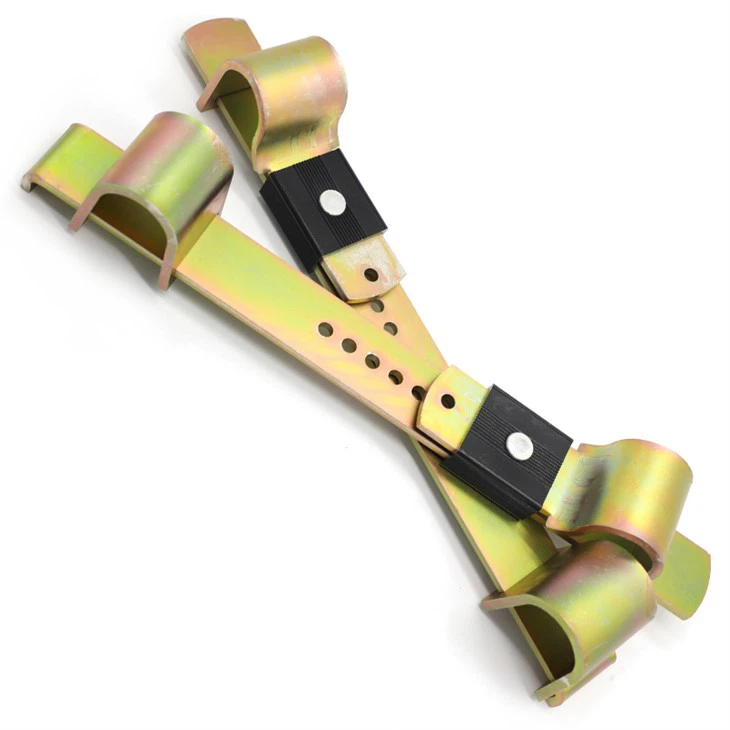
- New lock: Of course, you'll need a new container lock. We offer a variety of options, including Adjustable Container Lock, Intermodal Container Locks, and Heavy Duty Container Lock. Make sure to choose the one that suits your needs.
Step - by - Step Guide to Replacing a Container Lock
Step 1: Inspect the Damaged Lock
The first thing you need to do is take a good look at the damaged lock. Figure out what's wrong with it—is it a broken key mechanism, a damaged bolt, or something else? This will help you determine if you can repair the lock or if you need to replace it entirely.
If the lock is just jammed, you might be able to fix it by cleaning the keyway or lubricating the moving parts. But if the lock is severely damaged, like the bolt is broken or the housing is cracked, it's time to replace it.
Step 2: Remove the Old Lock
Once you've decided to replace the lock, it's time to remove the old one. Start by using your screwdriver or wrench to remove any screws or bolts that are holding the lock in place. Some locks might be held in by a combination of screws and nuts, so make sure you have the right tools for the job.
Be careful when removing the old lock, as there might be small parts that can fall out. Keep track of all the screws and nuts so you don't lose them.
Step 3: Clean the Lock Area
After you've removed the old lock, take a moment to clean the area where the lock was installed. Use a cloth or a brush to remove any dirt, dust, or debris. This will ensure that the new lock fits properly and functions smoothly.
Step 4: Install the New Lock
Now it's time to install the new lock. Take your new lock and align it with the holes in the container door. Insert the screws or bolts through the holes in the lock and into the container door, and then use your screwdriver or wrench to tighten them.
Make sure the lock is installed securely and that it's properly aligned. If the lock is not installed correctly, it might not work properly or could even cause damage to the container door.
Step 5: Test the New Lock
Once you've installed the new lock, it's time to test it. Insert the key into the lock and turn it to see if the bolt extends and retracts smoothly. Try locking and unlocking the door a few times to make sure everything is working as it should.
If the lock doesn't work properly, double - check that it's installed correctly and that all the screws and bolts are tightened. If you're still having problems, don't hesitate to reach out to us for help.
Tips for Choosing the Right Container Lock
When choosing a new container lock, there are a few things you should keep in mind:
- Security level: Consider the value of the goods you're shipping and how much security you need. For high - value items, you might want to choose a heavy - duty lock with advanced security features, like a pick - resistant keyway or a hardened steel bolt.
- Compatibility: Make sure the lock you choose is compatible with your container door. Different containers might have different lock sizes and mounting options, so it's important to choose a lock that will fit properly.
- Durability: Container locks are exposed to all sorts of weather conditions and rough handling, so you want a lock that is durable and can withstand the elements. Look for locks that are made from high - quality materials, like stainless steel or brass.
Contact Us for Your Container Lock Needs
If you're in the market for a new container lock or have any questions about replacing a damaged lock, we're here to help. As a leading container lock supplier, we offer a wide range of high - quality locks at competitive prices.
Whether you need an Adjustable Container Lock, Intermodal Container Locks, or a Heavy Duty Container Lock, we've got you covered.
Don't hesitate to reach out to us if you have any questions or need help choosing the right lock for your needs. We're always happy to assist you and make sure you get the best container lock solution for your business.
References
- General knowledge of container lock installation and maintenance from years of experience in the container lock supply industry.
- Industry standards and best practices for container security and lock replacement.