

Troubleshooting problems with livestock ear tags is a crucial skill for farmers, ranchers, and anyone involved in animal management. As a Livestock Ear Tags supplier, I've witnessed firsthand the various issues that can arise with these essential identification tools. In this blog, I'll share some practical tips on how to diagnose and resolve common problems associated with livestock ear tags.
Understanding the Importance of Livestock Ear Tags
Livestock ear tags serve multiple purposes. They are primarily used for identification, allowing farmers to keep track of individual animals within a herd. This is vital for record - keeping, such as tracking an animal's health history, breeding information, and production statistics. Additionally, ear tags are often required for regulatory compliance, especially in the case of international trade or disease control programs.
Common Problems with Livestock Ear Tags
Tag Loss
One of the most prevalent issues is tag loss. There are several reasons why an ear tag might fall off. Poor application is a common culprit. If the tag is not inserted correctly into the animal's ear, it may not be secure enough to stay in place. For example, if the tag is not fully locked or if the prongs are not inserted deeply enough through the ear tissue, it can easily come loose.
Another cause of tag loss is physical damage. Animals may catch their ear tags on fences, branches, or other objects in their environment, leading to the tag being ripped off. Aggressive behavior among animals, such as fighting or rubbing against each other, can also result in tag loss.
To address tag loss, it's essential to ensure proper application. Train your staff on the correct way to insert ear tags, making sure the tag is firmly locked in place. Consider using tags with a more secure fastening mechanism. Additionally, regularly inspect your animals' ears for loose or damaged tags and replace them promptly.
Readability Issues
Ear tags need to be legible for easy identification. However, over time, the information on the tag can become faded, scratched, or obscured. Exposure to the elements, such as sunlight, rain, and dirt, can cause the printing on the tag to wear off. In some cases, the tag may be covered in mud or manure, making it difficult to read.
To improve readability, choose high - quality tags that are resistant to fading and scratching. Ear Tag High Quality options often use durable materials and advanced printing techniques to ensure long - lasting legibility. You can also clean the tags regularly to remove dirt and debris. If the tag becomes too difficult to read, replace it immediately.
Tag Infections
In rare cases, ear tags can cause infections in the animal's ear. This usually occurs when the tag is inserted using unsterilized equipment or if the animal's immune system is compromised. Signs of an ear infection include swelling, redness, discharge, and pain in the ear area.
To prevent tag infections, always use clean and sterilized tagging equipment. It's also a good idea to apply an antiseptic to the ear before inserting the tag. If you suspect an infection, consult a veterinarian immediately. The vet may prescribe antibiotics or recommend other treatments to clear up the infection.
Compatibility Problems
Not all ear tags are suitable for every type of livestock. Different animals have different ear thicknesses and sizes, and using an inappropriate tag can lead to problems. For example, a tag that is too large or too small for an animal's ear may not be comfortable or may not stay in place properly.
When selecting ear tags, make sure to choose ones that are specifically designed for the type of livestock you are working with. Ear Tag in Cattle may have different requirements compared to tags for sheep or goats. Consider the age, size, and breed of your animals when making your selection.
Advanced Troubleshooting Techniques
Tag Tracking Systems
In some cases, it may be challenging to locate a specific animal with a lost or unreadable tag. This is where tag tracking systems can be extremely useful. These systems use technology such as radio - frequency identification (RFID) to track the movement and location of animals. RFID ear tags can be scanned to retrieve information about the animal, even if the visual tag is damaged or missing.
Investing in a tag tracking system can save a lot of time and effort in troubleshooting. It allows you to quickly identify and locate animals, reducing the risk of losing important data. However, it's important to note that these systems require a certain level of infrastructure and technical knowledge to operate effectively.
Data Management
Proper data management is essential for troubleshooting livestock ear tag problems. Keep detailed records of each animal's tag number, insertion date, and any issues that have occurred. This information can help you identify patterns and take proactive measures to prevent future problems.
Use a digital database or spreadsheet to organize your data. Make sure to update the records regularly, especially when tags are replaced or when new animals are added to the herd. Having accurate and up - to - date data will make it easier to track down information and resolve issues quickly.
Conclusion
Troubleshooting problems with livestock ear tags is an ongoing process that requires attention to detail and proactive management. By understanding the common issues, taking preventive measures, and using advanced troubleshooting techniques, you can ensure that your livestock ear tags serve their intended purpose effectively.
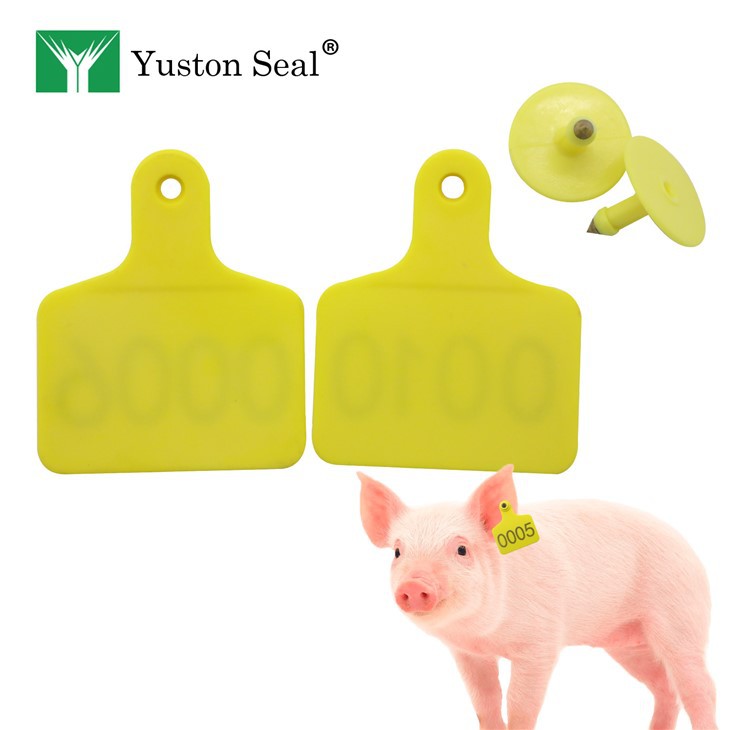

If you're experiencing problems with your current ear tags or are looking to upgrade to a more reliable solution, I encourage you to [contact us](no - contact - link - provided). As a Livestock Ear Tags supplier, we offer a wide range of high - quality Ear Tag options to meet your specific needs. Our team of experts is always ready to assist you with any questions or concerns you may have. Don't let ear tag problems disrupt your animal management operations. Take action today and ensure the smooth running of your livestock business.
References
- "The Importance of Livestock Identification", Journal of Animal Science, Vol. XX, Issue XX, Year.
- "Best Practices for Ear Tag Application in Livestock", Proceedings of the National Livestock Management Conference, Year.
- "Advancements in Livestock Ear Tag Technology", Agricultural Technology Review, Vol. XX, Issue XX, Year.